
Umigo, 2012
What’s the hardest kind of storyboarding there is?
Speaking as someone who once had to stage a battle between 14 Avengers, the Inhumans, and an army of Ultrons, I’d pick that as a top contender. In other words, heavy action with lots of special effects. This is why, when directors decide how to divide up a script between storyboard artists, we try to give them equal amounts of action scenes (lots of drawing) and talking scenes (less drawing).
Not to be immodest, but I personally thrive on action choreography involving lots of characters. It’s a challenge that requires multiple levels of thought, skill, and precision. It activates my movie-brain like few other things do. Beyond this, though, I’d have to say the hardest kind of storyboarding is a musical sequence.
It’s not very different from an action scene, in that it requires extensive choreography, but it often requires something else that doesn’t always come easily for me: abstract thinking. That’s the part where you have to disengage from the action/reaction physics of the real world. You turn off the movie-brain and activate the dream-brain. The better you are at this, the more imaginative and expansive you can get.
I’ve had only a few opportunities to try my hand at this. I first got a taste of it when storyboarding opening titles for my first few shows: Extreme Ghostbusters, Men in Black, and Godzilla. They were less about narrative and more about mood-setting. Then Dragon Tales came along. The first season episodes contained about a dozen standalone songs that all had to be storyboarded. I handled one or two, but most were done by other artists who had more experience in this area.
My next round came from an unexpected source: the first season of Batman: The Brave and the Bold (2008). The penultimate episode was an operatic tour de force with a villain called Music Meister. I was in the storyboard rotation for that one, and ended up with two sequences that gave me something completely new to chew on. (Find them here.) They were tricky, but since they involved superheroics on a TV budget, they didn’t get too crazy.
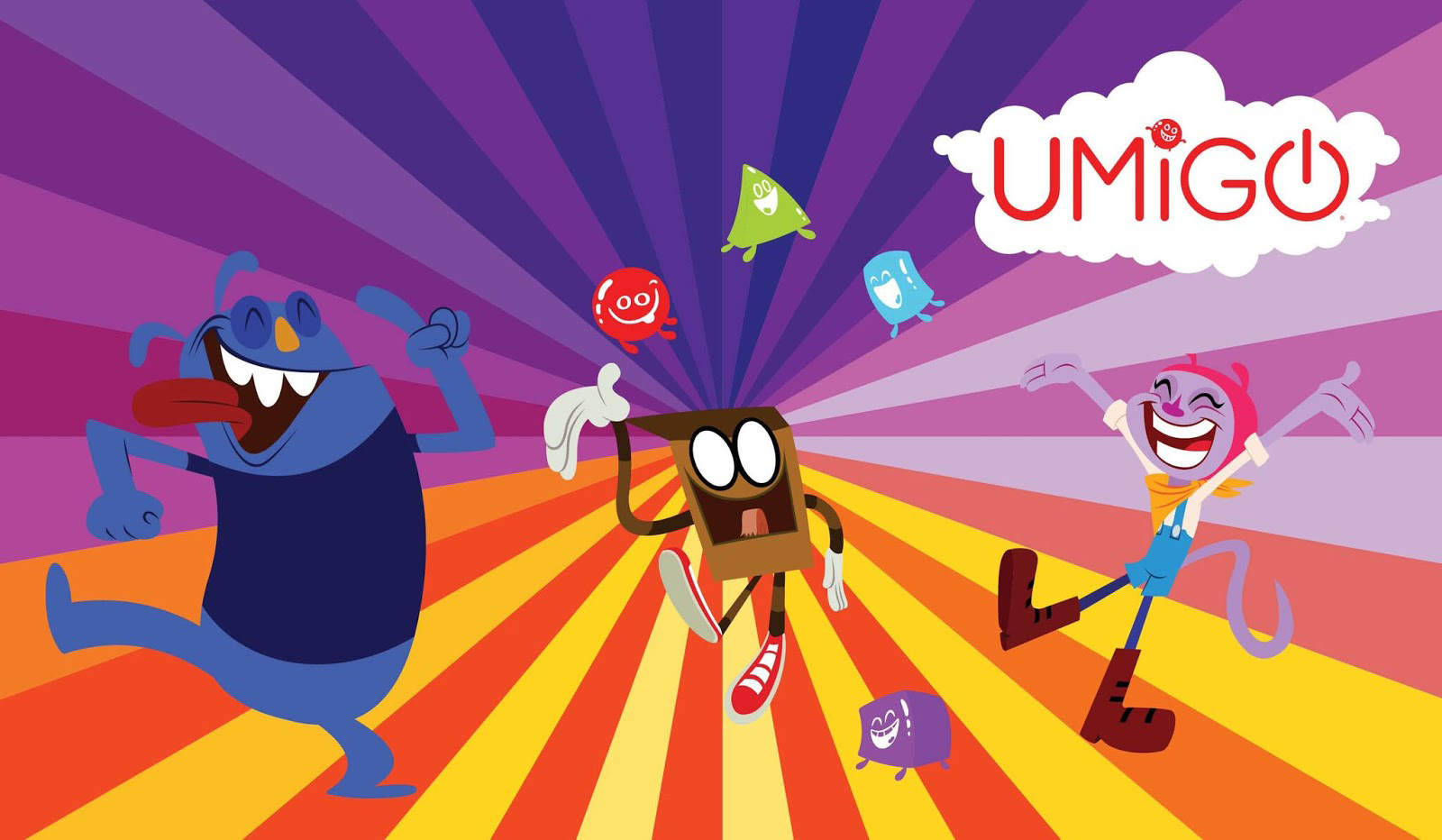
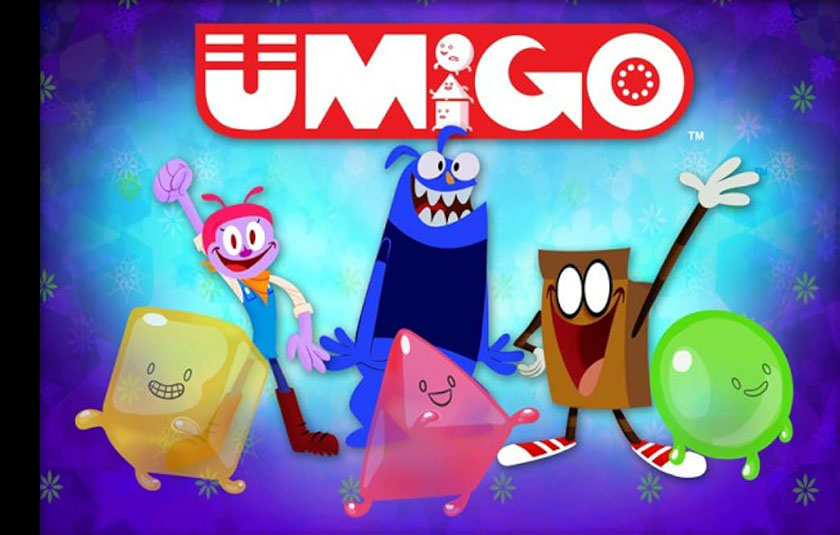
Four years later, I got a taste of truly crazy when my friends at Wildbrain Studio asked me to storyboard an episode of a preschool series titled Umigo. (Short for “You Make It Go.”)
These were structured as 5-minute musical sequences with an intro and an outro. The songs would each focus on some aspect of math and the only rule was to hit that aspect as much as possible. Other than that, go nuts.
“Go nuts” is antithetical to my usual approach, which is to make a visual story clear and linear using all the rules of filmmaking. When reviewing storyboards as a director, my task is usually to spot and revise out everything that gets in the way of that. Taking an abstract approach means putting those instincts aside in favor of improv; letting the visuals pull you wherever they want to go, rather than the opposite.
Something that helped me get into that mindset was the design of the Umigo characters, which were fluid enough to suggest their own style of movement. Once I figured that out, it was only a short step to treating their entire world that way. Then it was just a matter of being inventive with scene ideas, allowing abstractions to pile up and build momentum.
It didn’t feel magical while I was doing it, but it does when I look back on it now. It came out of my dream-brain, after all. I get pretty good ideas from dreams, but the ones that stay with me after wakeup often get streamlined into something else. This Umigo sequence gave me a rare chance to create something dreamlike that stands on its own. Maybe someday someone will give me a chance to try it again.
The Umigo series consists of 20 music videos released in 2013. See them all on Tubi here or Youtube here.
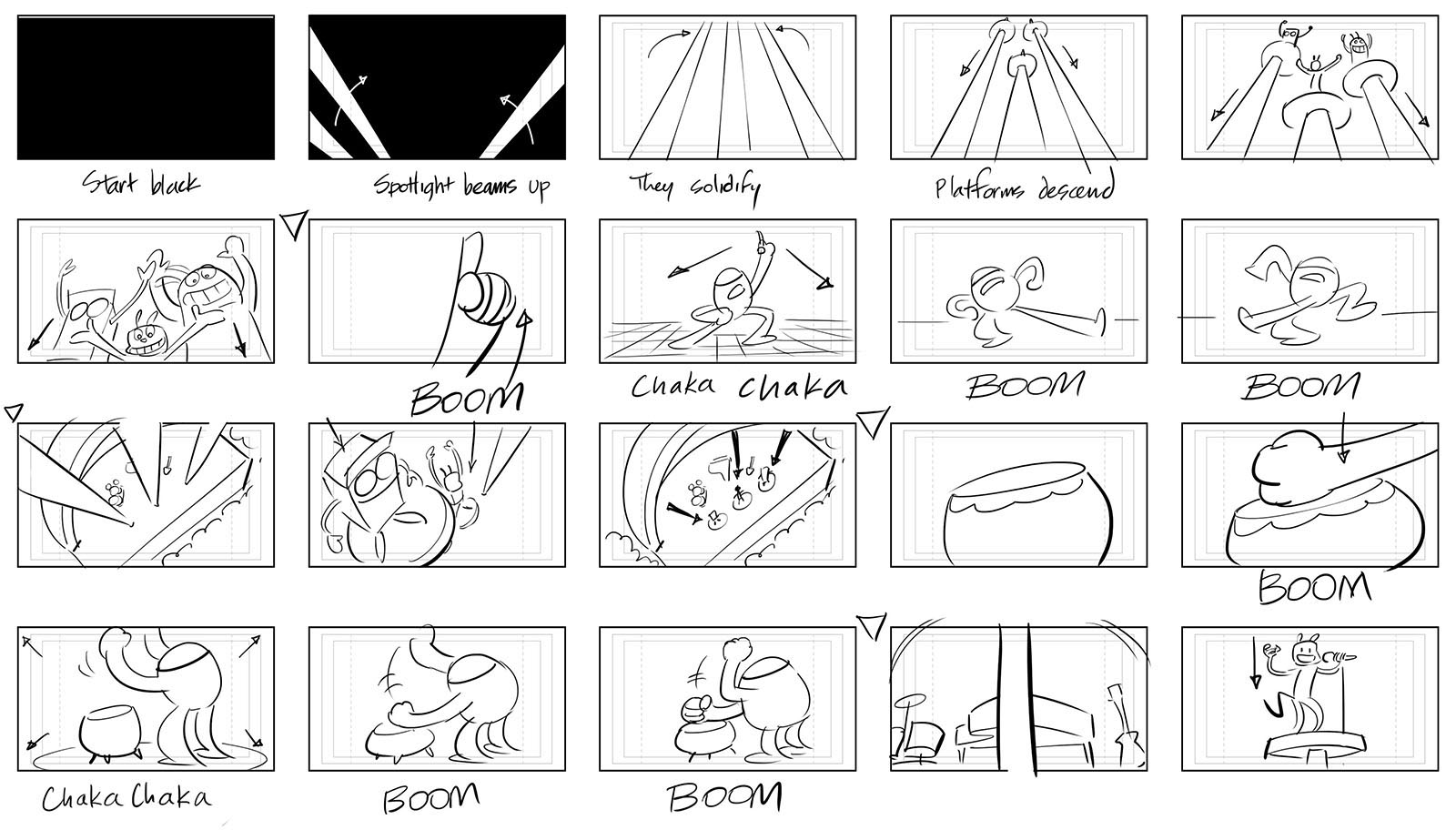
Animatic version of We All Sing
As you’ll see, storyboarding a sequence like this requires a LOT of drawings since everything is in constant motion. That’s the main thing that sets it apart from standard TV animation, where you try to minimize motion wherever possible to keep the budget under control. But over and above the storyboards is an incredible amount of enhancement and flourish in the animation itself. This is where I have to render a hearty salute to the Umigo animators, because their job was a lot harder than mine. See for yourself below.
Final version of We All Sing
Oh, one more thing I’d like mention…anyone who works on one of these at ANY level hears the song SO many times that after the project is finished you NEVER want to hear it again.