
Ben 10: Destroy All Aliens, 2012

TV animation, like any other industry, has evolved in paradigm shifts. Every few years, a new wave sweeps aside previous doctrine.
Before the 70s, it was always assumed everything would be done in house. Then came the “outsourcing” wave in which a big chunk of the process went elsewhere. Preproduction (creation of the show) and post-production (prep for broadcast) stayed in the USA while actual animation moved overseas. Mainly Asia, since it was cheaper (i.e. not unionized).
Before the 90s, it was always assumed everything would be analog. Then came the “digital” wave in which computers began to absorb some of the more technical tasks. At that point, animatics replaced pencil tests and enhanced editorial control while wiping out camerawork.
Before 2006, it was always assumed we’d be drawing on paper. Then came the “tablet” wave when we shifted to screens and the whole process was streamlined again.
Before 2010, it was always assumed that our work had to be based in a studio. Then came Ben 10: Destroy All Aliens.
This may not have been the first production to break out of the usual confines, but it’s the first one I got to work on. And it confirmed something I’d begun to suspect after many years of freelancing; since the bulk of preproduction work was just people writing and drawing, did they have to be together under the same roof? Other than design meetings or storyboard reviews, they were basically just hunched over a desk working solo.
In 1999 and 2000, I put this to the test when I made two short cartoons in my own home for my graphic novel Grease Monkey. The only cost was studio time for pro-level voice recording. I did everything else as a free agent. Today I could also manage the voice recording at home. (See the finished shorts at my Grease Monkey website here.) After this, I didn’t think it would take much longer for a wily exec to figure out that they could save some cash by not having to provide work space for people like me.
I bounced from one studio to another from 1996 through 2004 and usually had at least one freelancer on my storyboard team who would visit for meetings. Sometimes multiple freelancers. When I broke away to become a full time freelancer myself, it was not uncommon for every storyboard artist on a given show to be a freelancer. Only the director was needed at the studio, along with a revisionist for in-house changes. It was inevitable that at some point even they could both operate elsewhere.
One particular director I’d worked with a few times, Victor Cook, got to test-drive that theory in 2010. I’d previously worked for him on Disney’s Atlantis series (2001, canceled before it aired) and Spectacular Spider-Man (2007). We would later reconnect for Scooby Doo: Mystery Inc. (2011).
In the fall of 2010, when most of my work came from Batman and Avengers cartoons, Vic asked me to contribute storyboards to the first Ben 10 project to be animated in CG. It was titled Alien Dimensions, and would later be renamed Destroy All Aliens. Neither of us had worked on Ben 10 before (airing on Cartoon Network since 2005), but when you reach a certain level of experience, that’s not a barrier to entry.
When I turned up for my storyboard handout, rather than the cavernous Cartoon Network Studio in Burbank, it was in a rented meeting room at the local Kinkos. What up wid dat? Without knowing it, we were on the edge of the next paradigm shift (keep reading).
Here’s what had transpired since I last saw Victor: After wrapping up his work on Spectacular Spider-Man (for Sony) in 2009, Cartoon Network hired him to develop an all-CG Ben 10 movie to premiere in Asia. He set up his own mini company (Monkey Punch Studio, LLC) to create a 2-minute pitch with some top-notch CG animation (watch it on Youtube here).

A year or so after he finished it, he was working full-time at WB and got the call: the movie was greenlit. It would run a little over an hour and premiere on Cartoon Network’s Asia platform. Was he available to direct it? He didn’t want to leave his day job, but got permission from his exec producer (who’d been involved with original development for Ben 10) to manage it in his off-hours. The weird part was that the work wouldn’t be made at Cartoon Network Studio in L.A. Since it was a project for CN Asia, Victor would have to set up his own work space.
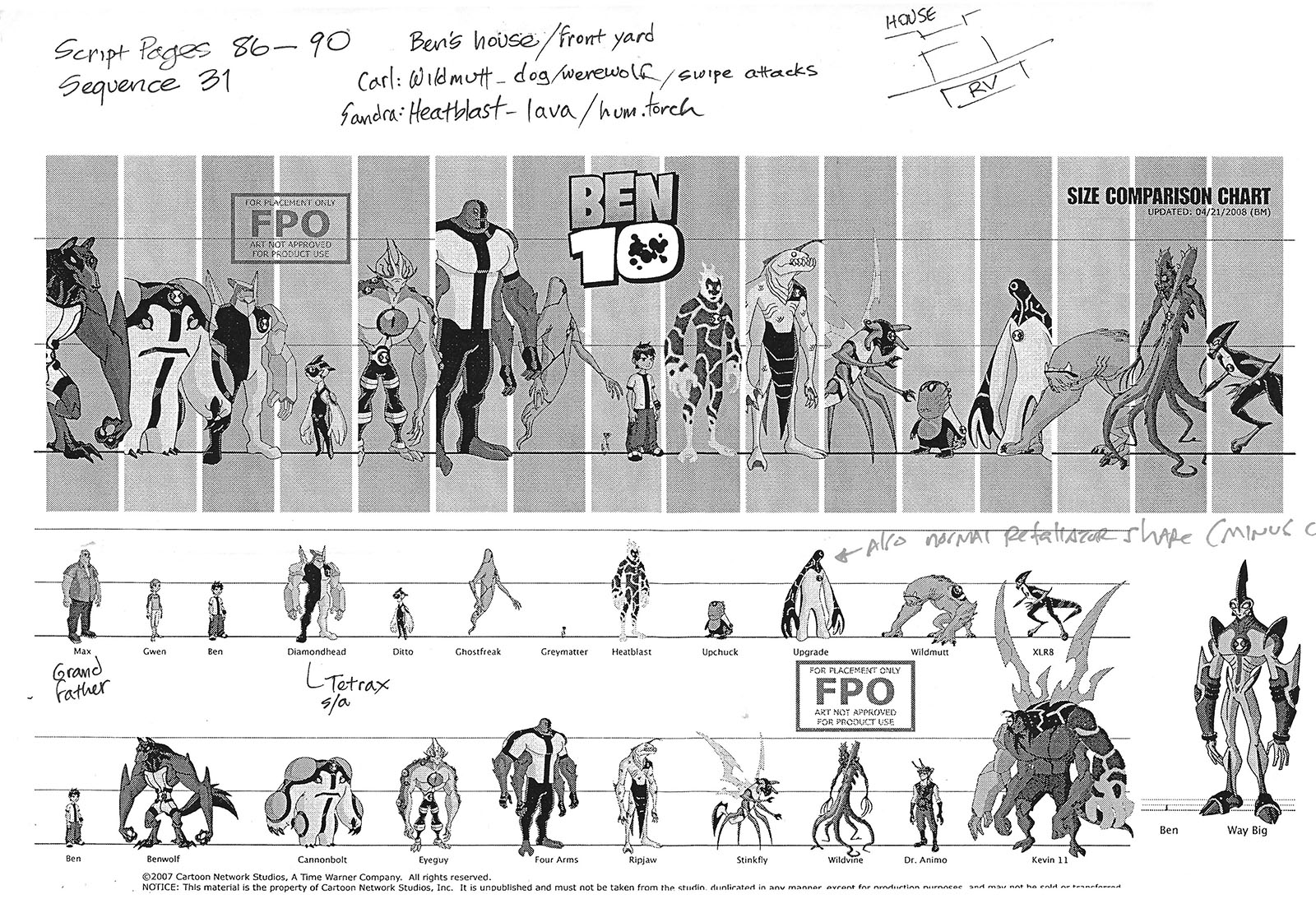
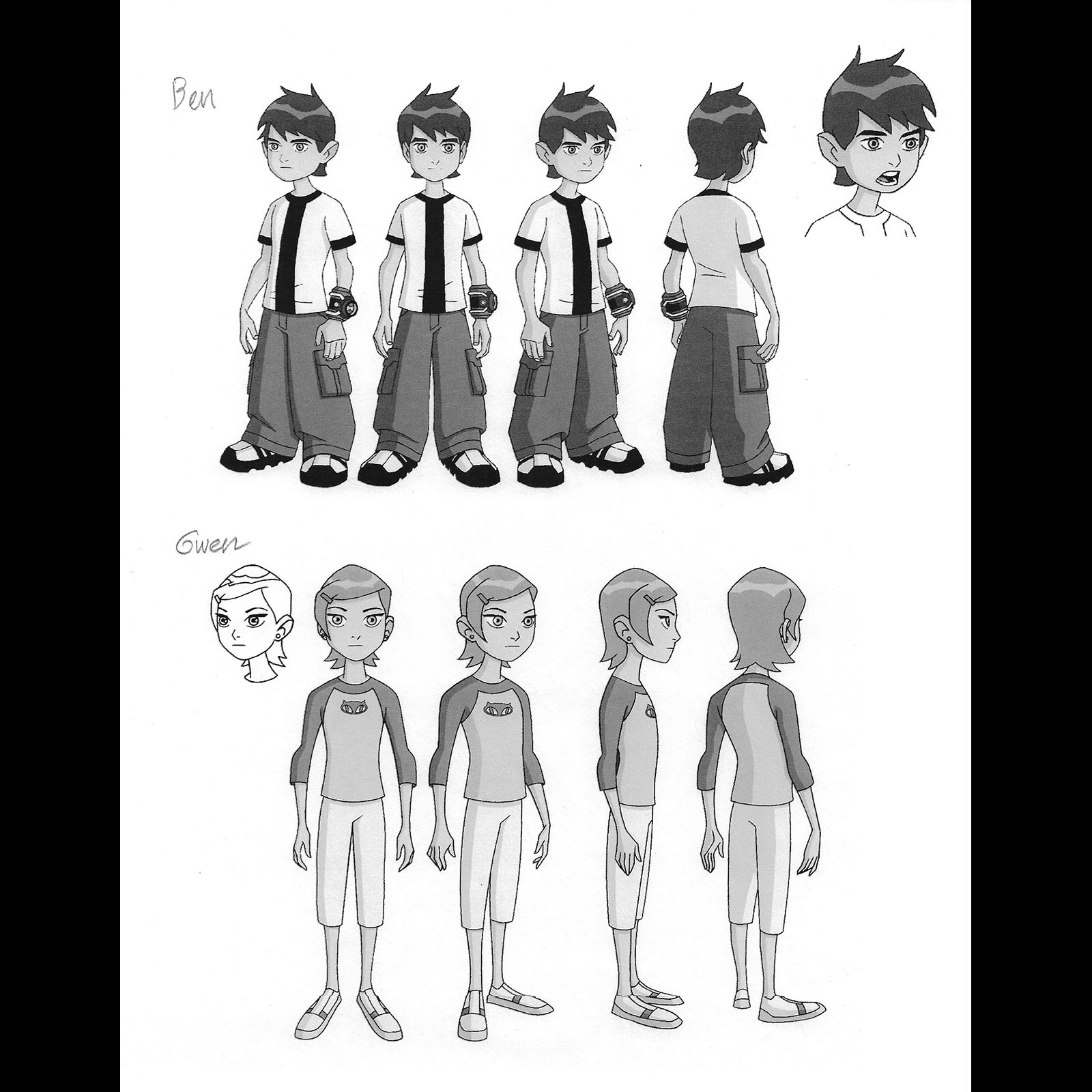
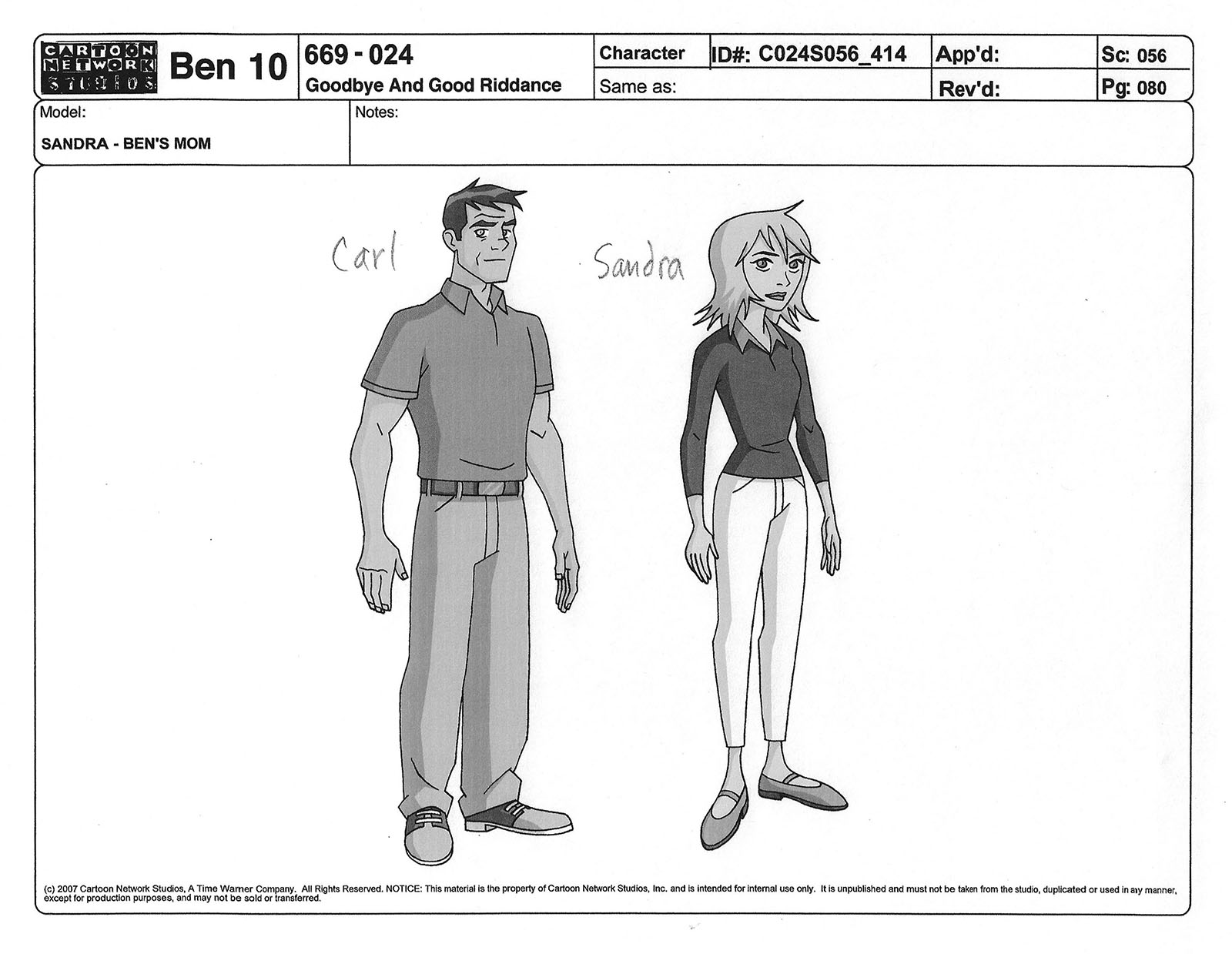
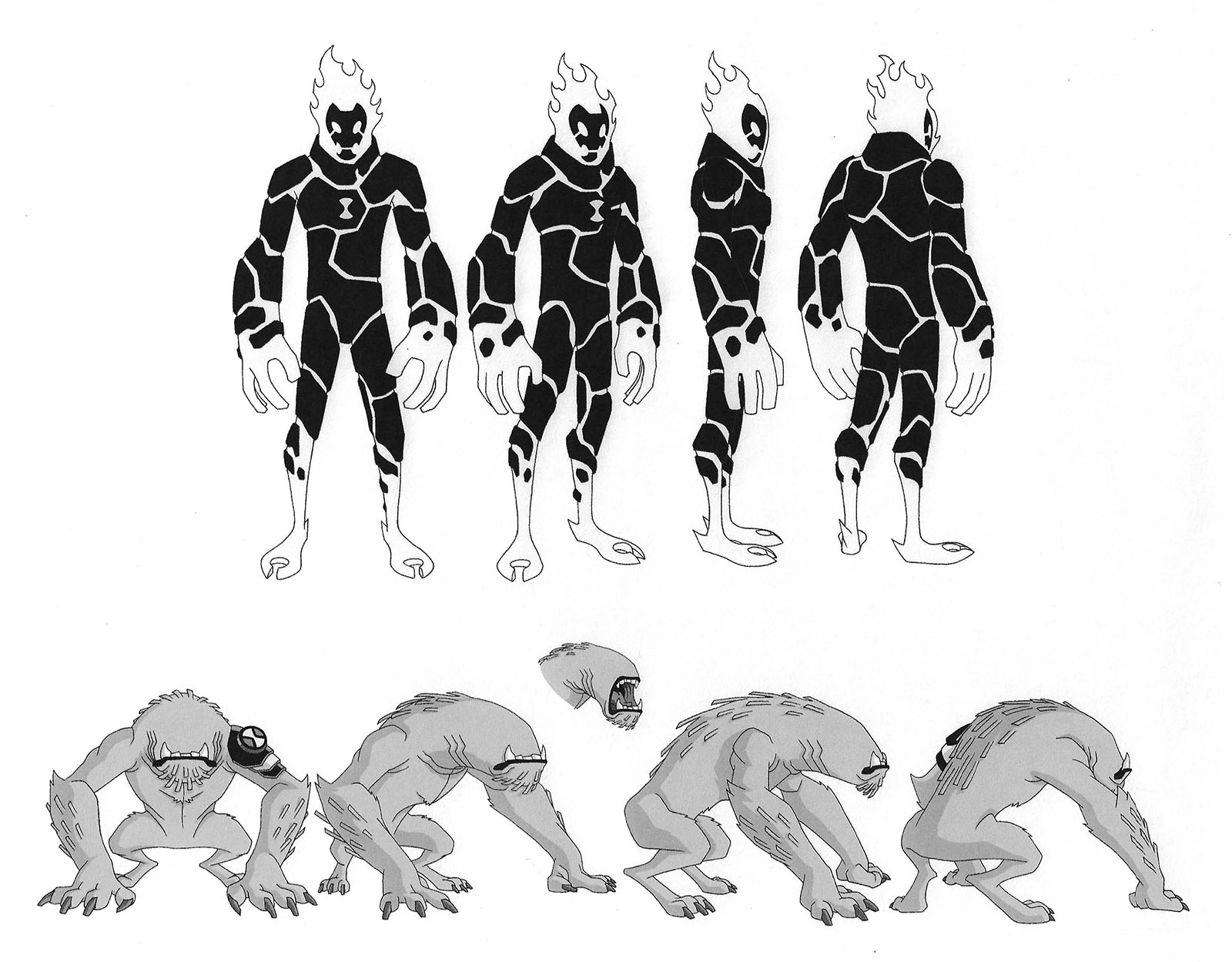
He considered renting an office, but when he and Line Producer Kurt Weldon discussed the options, it turned out to be unnecessary. A huge percentage of the design work would be inherited from the Ben 10 TV series. Writing, producing, accounting, storyboarding, coordinating, and animatics could be done entirely by freelancers. Voice recording and postproduction time could be booked with the same subcontractors the big studios went to. And all the animation would be done at Tiny Island Productions in Singapore (not the company that did the 2-minute pitch, since they were no longer available).
In other words, a studio-scale production could now be done without the added expense of a physical studio.
The day I turned up for my handout, the rocket was already off the launch pad. I was one of 13 artists who filed through that room at Kinkos to receive our script assignment and go off to turn words into pictures. My segment wasn’t huge (just 4 pages) and I was done in less than a month. Since the budget didn’t have to cover office space, the page rate was more generous than usual, which I didn’t mind at all.

Owing to the complexity of CG animation, it would take over a year to get Destroy All Aliens to the finish line. It premiered on CN Asia in March 2012, followed in the US about two weeks later, and then get a DVD release in October. Mission accomplished.
If you came here hoping for a Ben 10 deep dive, I can’t really tell you much. This brief assignment was my only contact with the character. I liked drawing it and would have liked to do more, but it wasn’t in the cards.
Instead, as I said earlier, Destroy All Aliens was the first taste of another paradigm shift. I got another taste when I signed on at Marvel Animation Studio in 2012 to direct episodes for Avengers Assemble. On my first day I learned that not only was my crew NOT based at the studio, they weren’t even the same country. They were all in Vancouver, Canada, at somewhere named Atomic Cartoons. We didn’t even get a lousy meeting room at Kinkos. All our contact was via phone and email.
Over the next several years, we all learned how to work together through what sometimes felt like a soda straw. Then in the spring of 2020, the whole world got smacked in the face by a global pandemic. Very quickly, animation studios had to decide how to keep shows in production. (For the record, studios HATE having to decide things very quickly.)
There were three critical questions to be answered:
(1) Could everyone work at home? Yep. Many already were.
(2) Could they take their workstations with them? Yep. Digital security protected server access.
(3) Could they communicate electronically when necessary? Yep. High-speed internet was right there.
Those three factors made animation the only pandemic-proof sector of the entertainment industry when Covid-19 reared its ugly head. And now the paradigm shift that started with Destroy All Aliens had a name: the “remote” wave. As I write these words, we’re still in it. Studios still exist, but they aren’t what they used to be. They may never be the same again. There’s just too much money to be saved.
Most of the “old-timers” in the industry, whose careers started before mine, are either gone or retiring. People like me who started in the 90s accumulated just enough skills to weather this and stay on top of it. Those who got started just before or during lockdown have it the roughest. Unlike the rest of us, they didn’t get much (if any) studio time. Here’s why that matters: being in a studio environment gave you a peer group to grow with. We went through a lot together and formed bonds that went beyond the work itself. Those bonds are still there, and give us an advantage when it comes to trading information and finding work.

On the other hand, looking at this credit list tells me where things were already going. I’ve worked with a few of these artists on other things, but we had no contact with each other on this project. Thus, we have no shared memory of working on it together. My connection with the other artists on this list is even more tenuous, if not non-existent. When I look at credit lists on other shows these days, I might recognize a name or two from past encounters. But everyone else is just letters on a screen. It didn’t used to be that way.
Studios ultimately turned out to be unnecessary from a monetary point of view, but they provided a vital community on a personal level. If they’re destined not to come back, the next paradigm shift (which will probably include the letters A and I) may be on us before we can truly appreciate the value of what was lost.

Click here to see the first draft thumbnail storyboard for my sequence. I didn’t keep my finished storyboard, or I could show you how different the second draft was.
Click here to see my script pages.
Here’s the completed version of Destroy All Aliens. My sequence starts at 1:03:11 and ends at 1:05:50. It evolved quite a bit from the first draft
RELATED LINKS
Ben 10 Wikipedia pages: TV series | Movies
Watch Destroy All Aliens at Fandango
Opening sequence of Destroy All Aliens with director commentary
Road Trip Rumble short directed by Victor Cook after Destroy All Aliens
Production art gallery




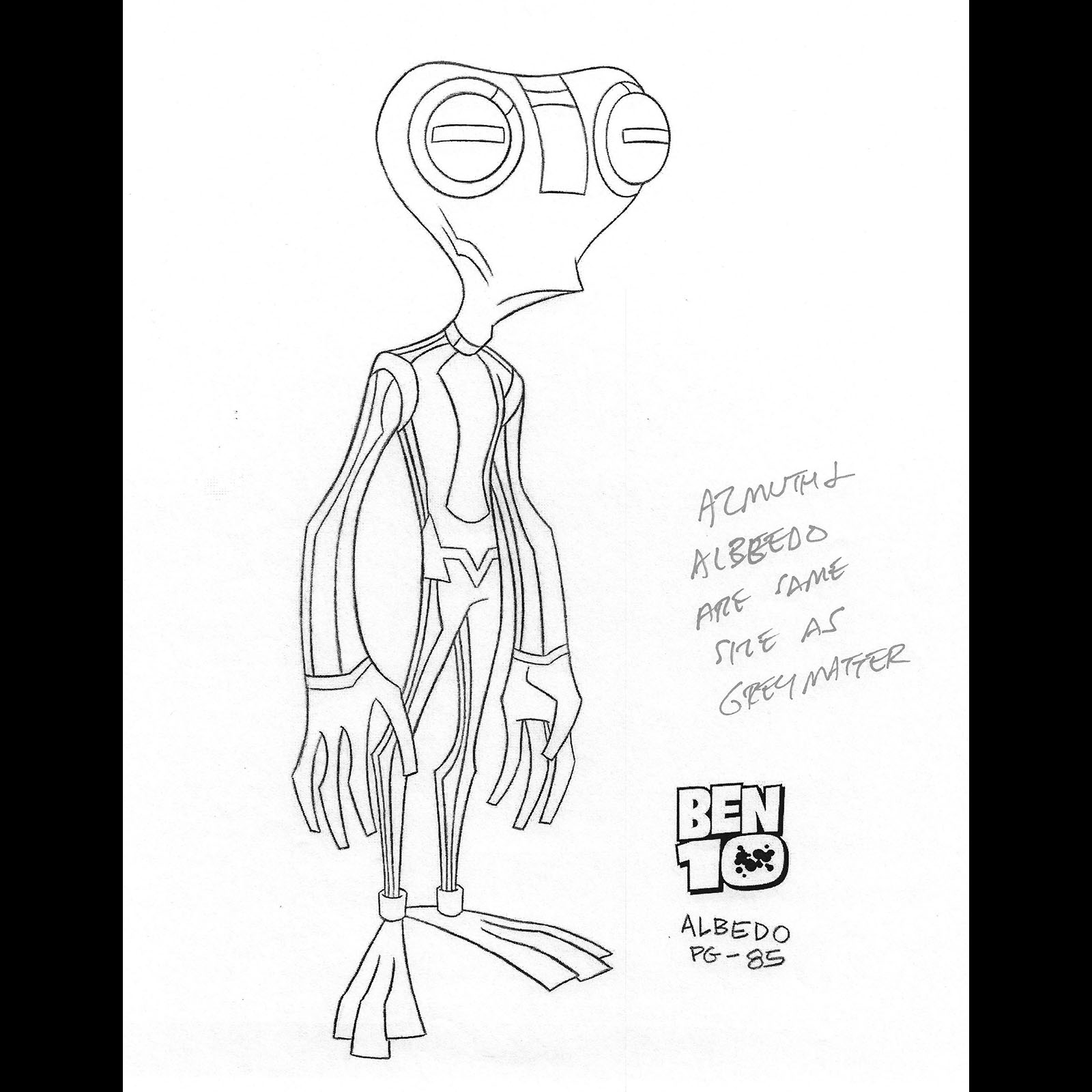


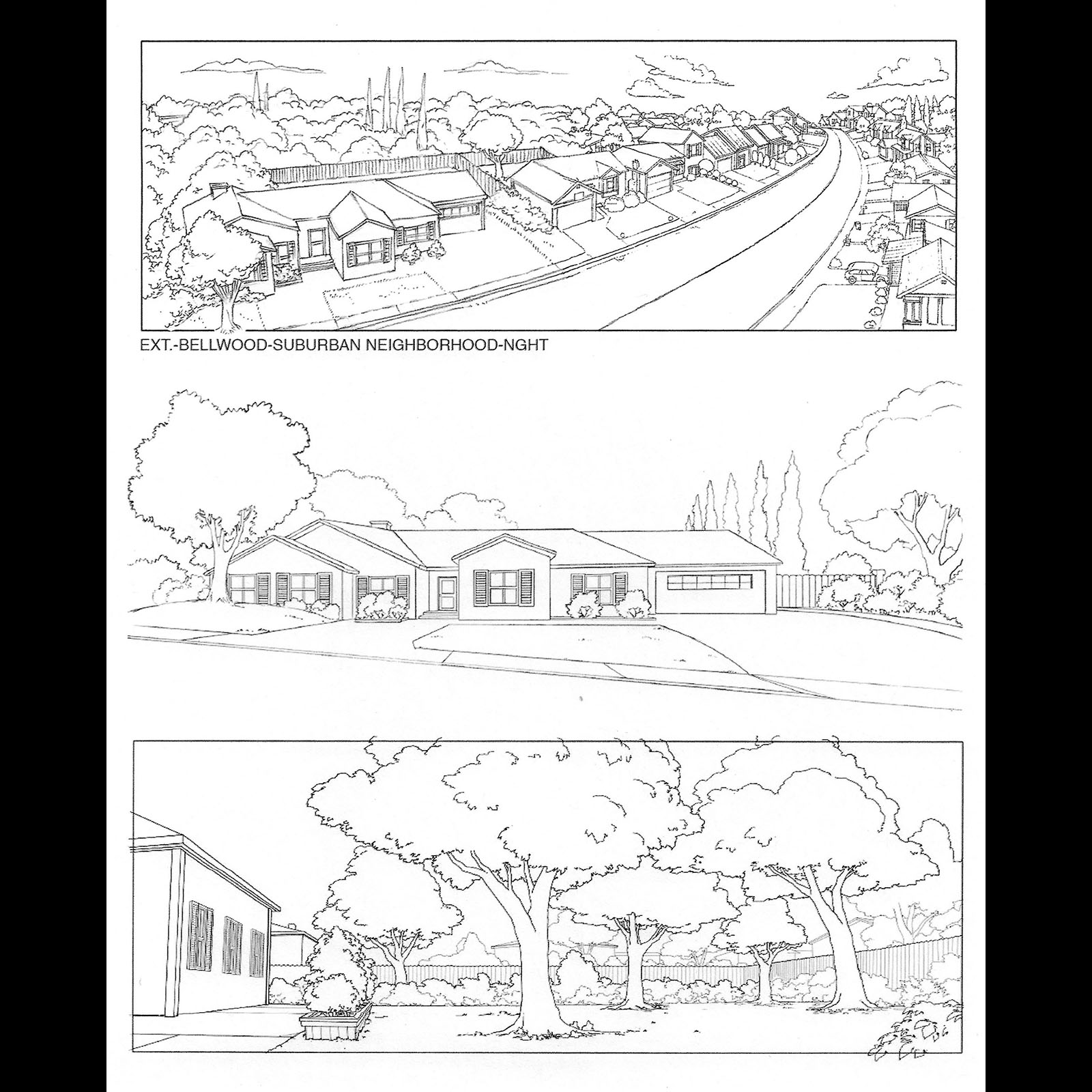
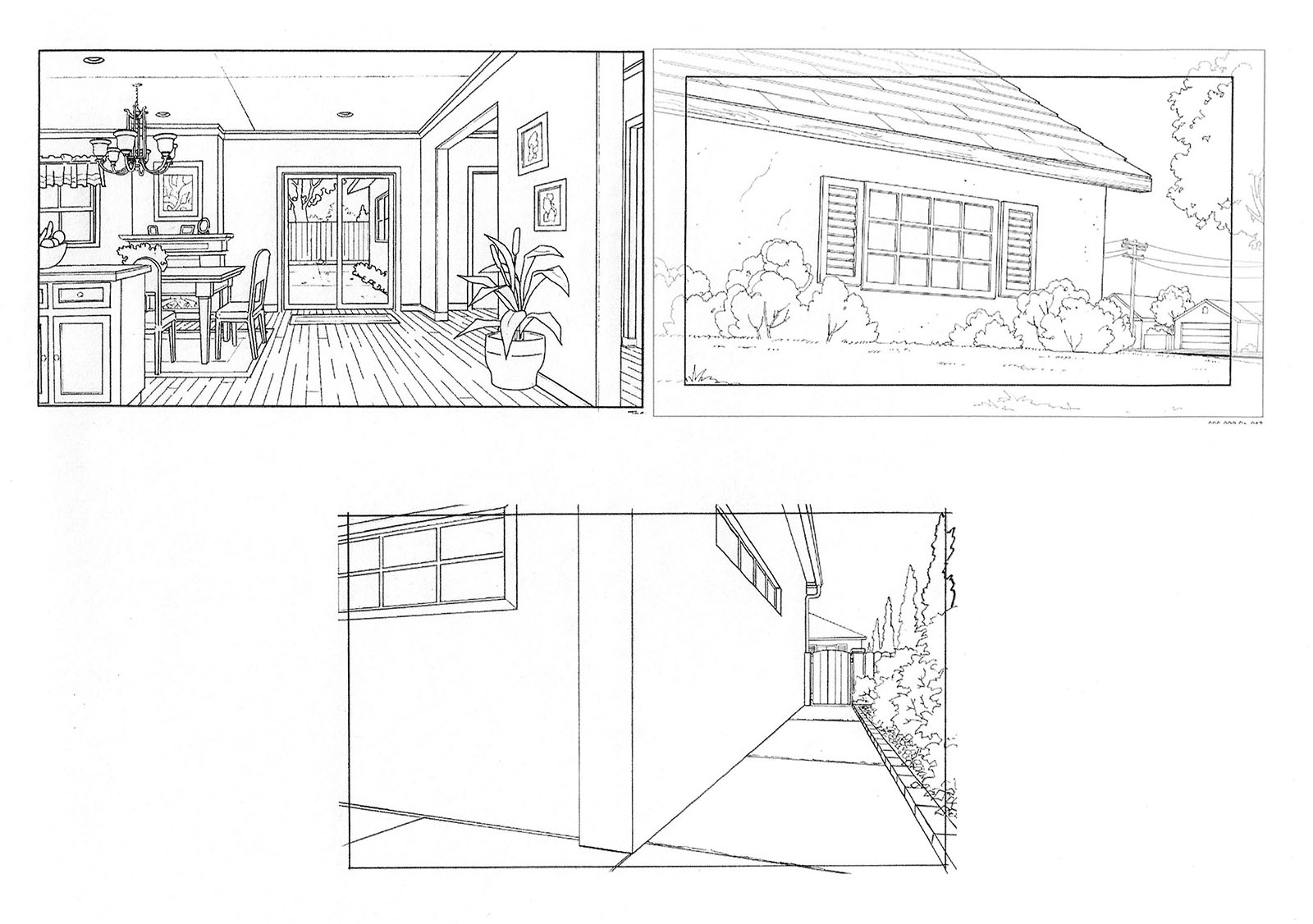
I had no idea the Kinko’s made such a positive impression!
I didn’t know that you worked on Ben 10. Would be amazing if you share the material and model sheets that you have about this amazing series 🙏🏻
I did. Everything I was given can be seen in the production gallery on this page.
I understand, it’s a bit sad that they didn’t give you more material. I was hoping you would have model sheets of Vilgax, Kevin 11, other villians or some other aliens from the Omnitrix.
I was hoping the lost Ben 10 media was regarding DAA. Ever since it was initially named Ben 10 alien dimensions.. can we know more abt Road trip rumble also ?
You could, if I had worked on Road Trip Rumble. But as I wrote, DAA was my only contact.
Aww thanks for letting me know. I’ve been bugging Vic about it for a looong time now lol. Hopefully he can share more one dayz
when i was 14 or 15, when the film came out, it blows out my mind, i wish ben 10 had more 3D CGI film like this one day
Tim,
Great article! Thanks for sharing, It was nice to reminisce.
-and thank you again for your fantastic storyboards on all we have worked on together.