The webcomic future: Pitsberg (part 2)
Here are five more of the experiments I piled onto my Sci-fi magnum opus, which was in production from 2016 through 2020. All the images are from my design and production files.
Experiment 6: Super-hero stories
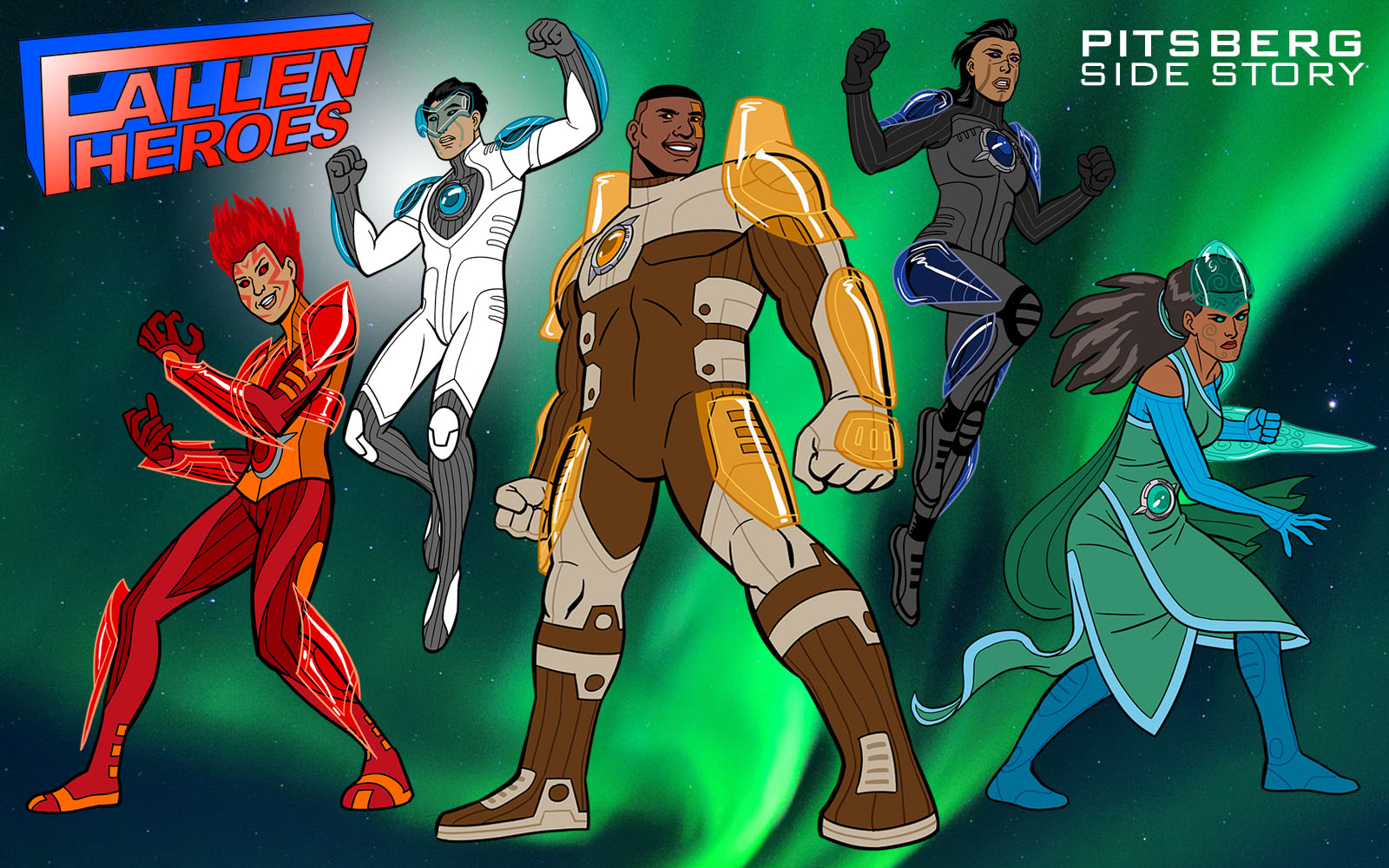
This is where I discovered the byproduct of tuning yourself into a “galactic radio” and allowing ideas to pour into you from every direction: in the midst of developing Pitsberg, I sparked up an entirely separate story. It came out of nowhere, long before I started actually writing and drawing the webcomic. I imagined a group of super-heroes fighting alien invaders and dying one by one. They would control the four elements (earth, fire, air, water). This was nothing new in terms of super-hero stories, but it suddenly occurred to me that another element was on the table that no one had used yet: dark matter!
That was such an intriguing concept that I regretted having to sideline it until Pitsberg was finished. Then a really wild idea flew in, perched on my shoulder, and said, “Why not combine them?”
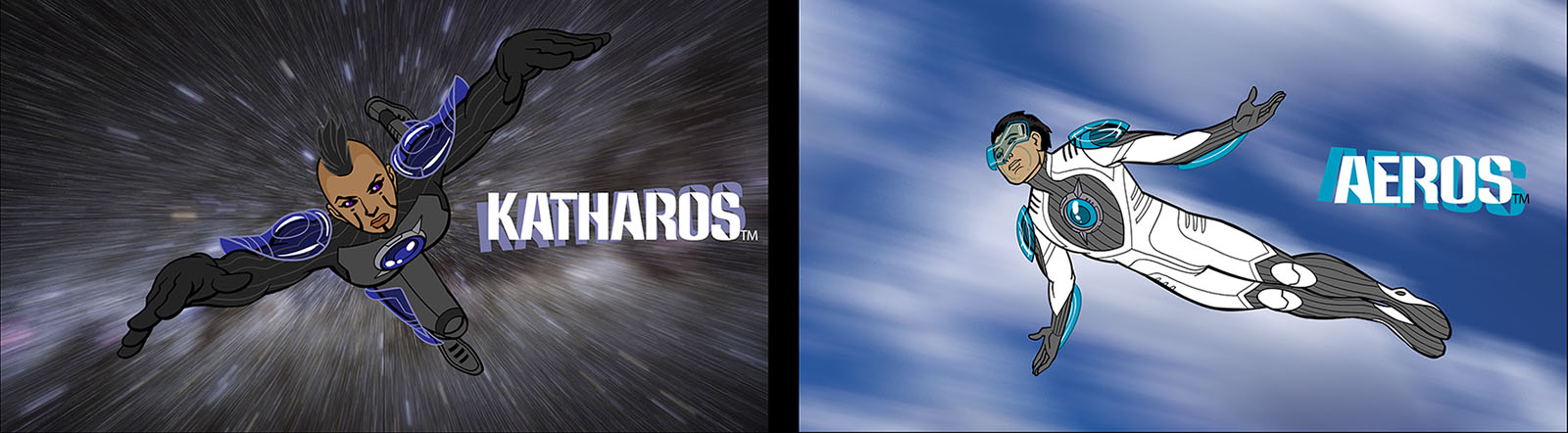
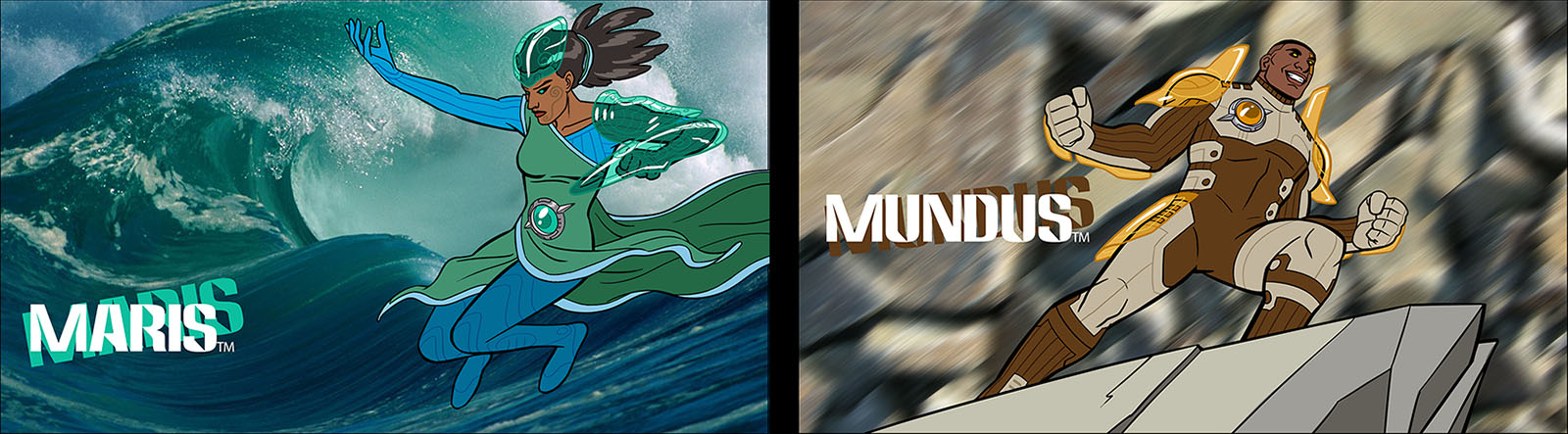
I already knew I wanted the world of Pitsberg to have its own media, and that would include entertainment. During my development phase, we were in the early years of the MCU and I was directing cartoons at Marvel Animation Studio, so it seemed entirely natural for a future world to have its own version of an MCU. Instead of sidelining this super-hero idea, I could make it a story within a story.
A seed was planted in my head many years earlier by a friend named Jonathan Jarrard, who helped me develop and write Cybersuit Arkadyne. I conceived that comic as a hard-science mecha story, but I also wanted it to involve time travel, which seemed kinda loopy. His advice was to make the “loopy” part so essential to the story that it couldn’t function without it. Then it stops being loopy and becomes foundational. That was the solution here, too: weave the super-hero story so deeply into Pitsberg‘s DNA that it HAD to be there.
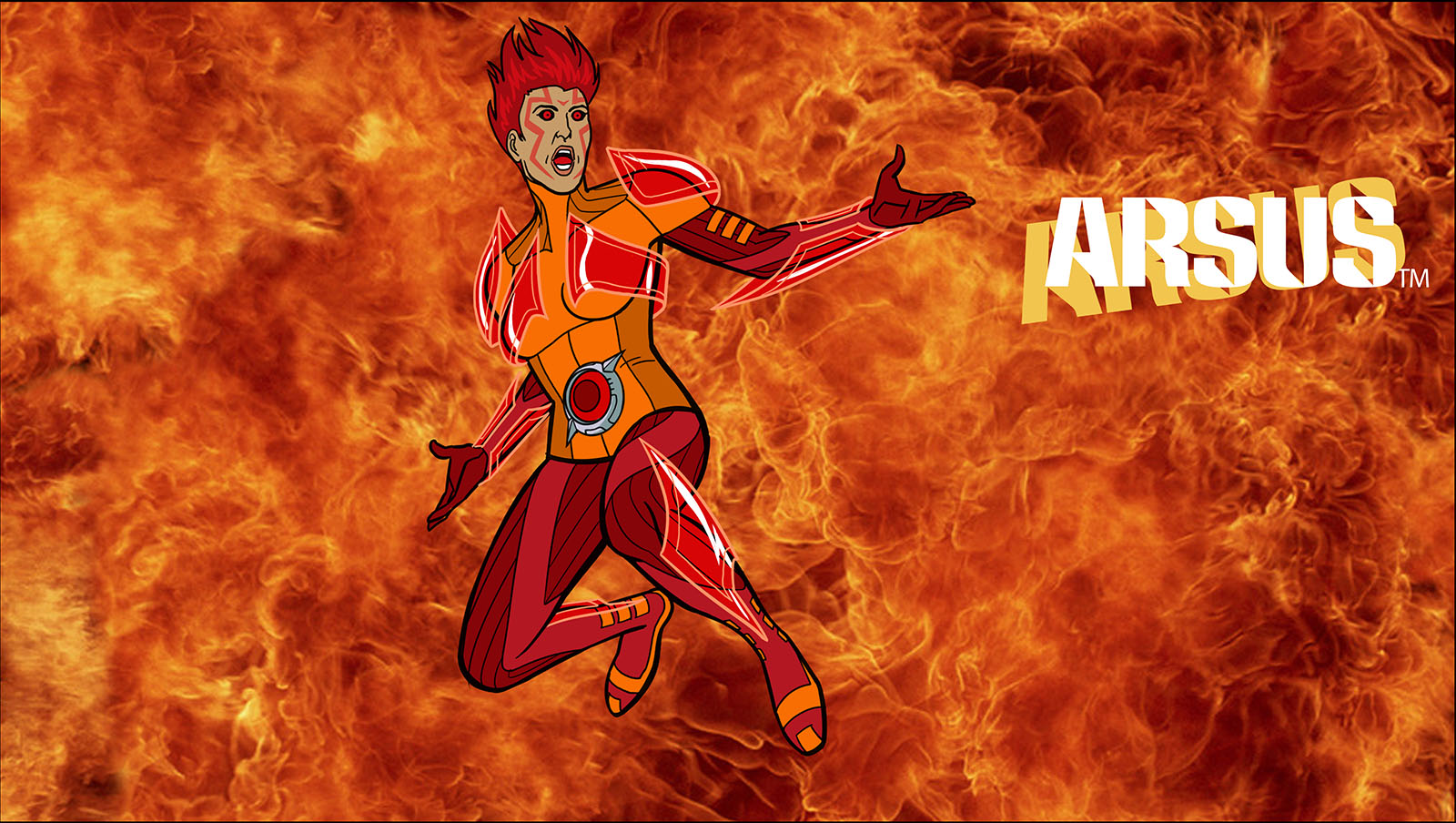
When I focused on that, all sorts of new subplots opened up, which I won’t spoil here in case you haven’t read the story yet. I applied the same logic to everything else in Pitsberg as things went forward, and now it feels like each detail belongs exactly where I put it.
The title Fallen Heroes came to me pretty right away. To add mythological gravitas, I went digging through Greek words to come up with the character names. And I may never come up with a cooler term than “Impulsion Armor.” It means nothing, but sounds like EVERYTHING.
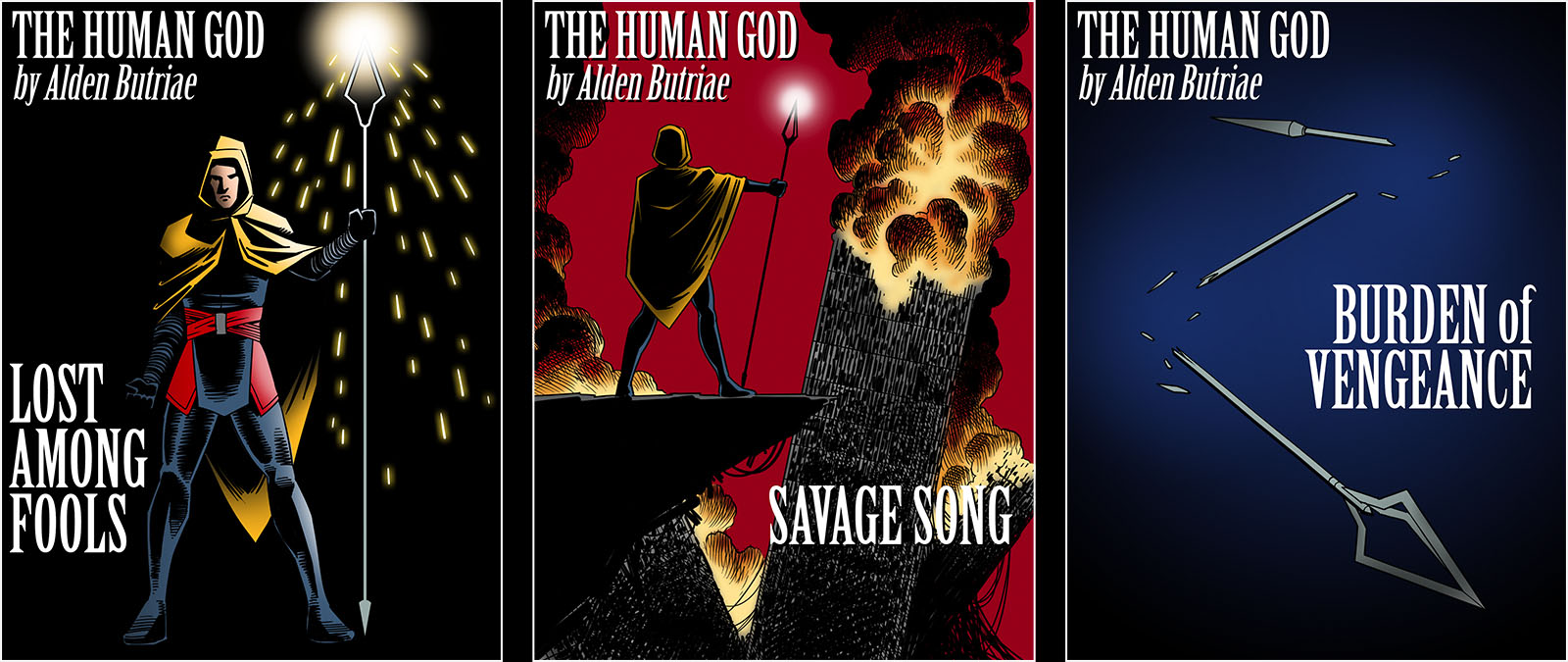
This led me to yet another idea: if there was an MCU in the future, could there also be a rival DCU? I never thought I’d have room for both, but I at least wanted to drop the hint. That’s where The Human God came from, a series of films starring a character who we would see in the background. Again, it had to be essential to the story to work, and it led up to a very pivotal moment indeed.
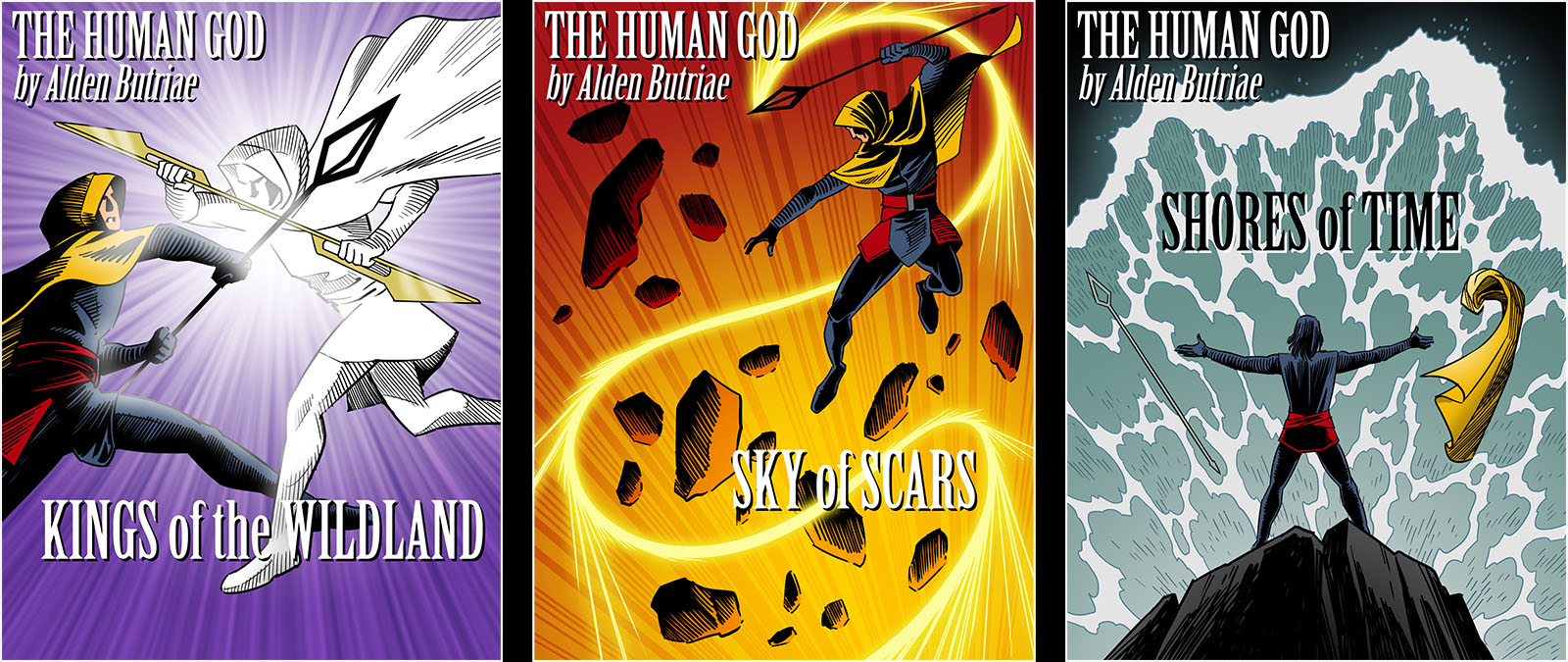
I’ve been reading super-hero comics since I was a kid, and I drew a few as an adult, but it wasn’t until Pitsberg that I actually came up with one that felt important. Fallen Heroes had a grip on me from the moment I let it in, and it always felt like having an ace up my sleeve.
Experiment 7: Detective mystery
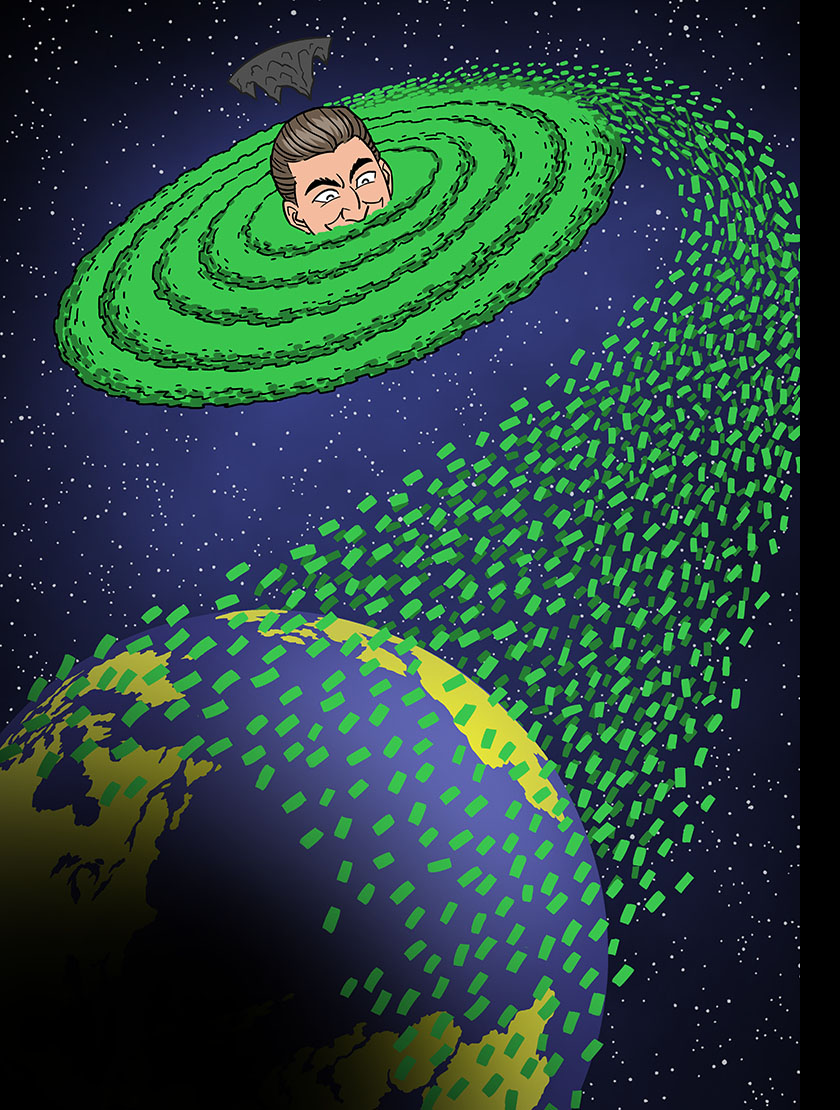
Writing a mystery story wasn’t entirely new for me. I’ve always tended toward long-form narratives, big stories with lots of characters and subplots with a central issue to be solved. But as I discovered, that’s not the same as writing a straight-up mystery. My main character is basically an undercover detective, trying to do one job while secretly chasing another. Her quarry is the richest, smartest, and most elusive man of the future. Not an easy target even if you took two of those qualities away.
The most useful advice I ever heard for writing a mystery is to build it backwards. Kind of like starting at the exit of a maze and drawing a line back to the entrance, which keeps you from taking wrong turns. Then put the detective at the entrance and start them walking. The trick from there is finding the balance between wrong turns and right turns. Too many wrong turns bogs you down, too many right turns feels fake.
The thing is, in this story the quarry actually WANTS to be found, but only by the right detective. Side note: I wanted to give him a thoroughly snobby name denoting a rich brat, so I came up with Culton Ferris. Even before reading the story, someone told me they already hated him based on the name alone. So that was a win.
Deciding on the clues meant I had to create every part of Culton Ferris’ operation before I wrote a single word of script, and that took a lot longer than I thought. To drive it all forward, I had to decide what the richest man in history would actually want. To set him apart from the money-sucking parasites of our time, it couldn’t just be more wealth. He’s gone past that. He’s played the game so well that he’s cracked and rewritten the code. Call me naive, but I wanted to believe that someone who broke through to that level would decide the only move left was to make that code open-source and hand it to the rest of us on his way out the door.
To get there, he’d make himself into the greatest villain in history and challenge someone to find him. It took me MONTHS to figure out what I just told you. From there, I had to figure out what the clues were and put them in Lessi Lander’s path. If I did my job right, she would always be just a little bit ahead of the reader. If you’ve read the story, then you can tell me if I nailed it.
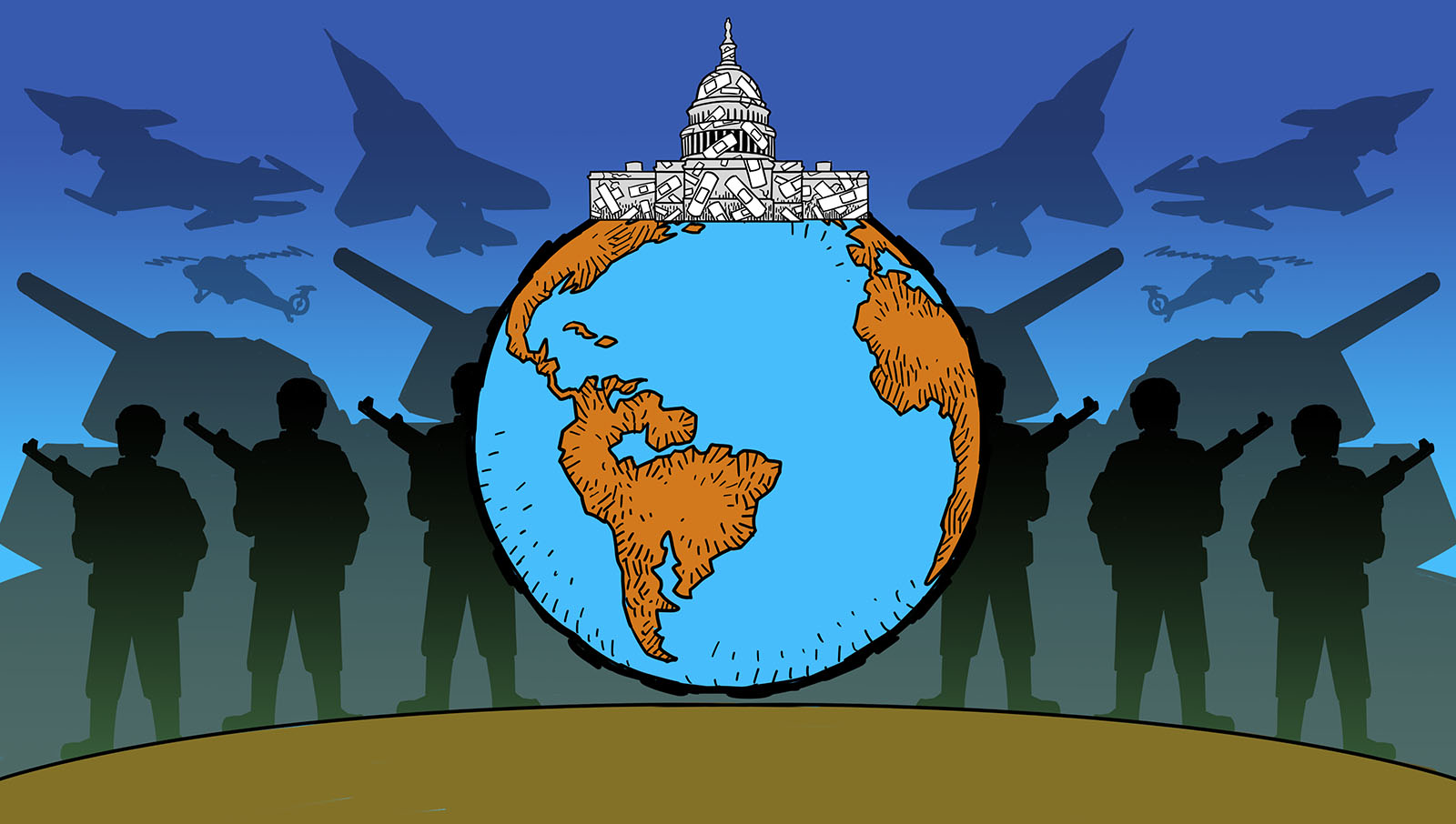
Experiment 8: Political & social commentary
Most of the stories I’ve written contained at least a comment on politics or social issues, but usually as background info. My characters were always more concerned with their immediate goals, just as we are IRL. But we lost that luxury in 2016 when it became clear that politics were going to be pushed into our faces 24/7. Turning away was no longer an option.
It seemed to me that once this seal was broken, it would only intensify over the next 50 years or so (I kept the year of Pitsberg intentionally vague) and that humans would increasingly tribalize themselves. We’d stroll right past our environmental tipping point and the fossil fuel crash, and the wealth gap would only get gappier. From the 2000 election forward, I became convinced that things had to get shittier before enough people would be motivated to change them. But I tragically underestimated HOW shitty things had to get.
Watching our steady decline cross over with our mounting ambivalence led me to imagine a future generation that inherited nothing but squalor. How would they react, knowing they’d been abandoned by previous generations? That’s the state of the human race in Pitsberg. That generation is now reacting, and they have very little left to lose. It’s become extremely flammable.
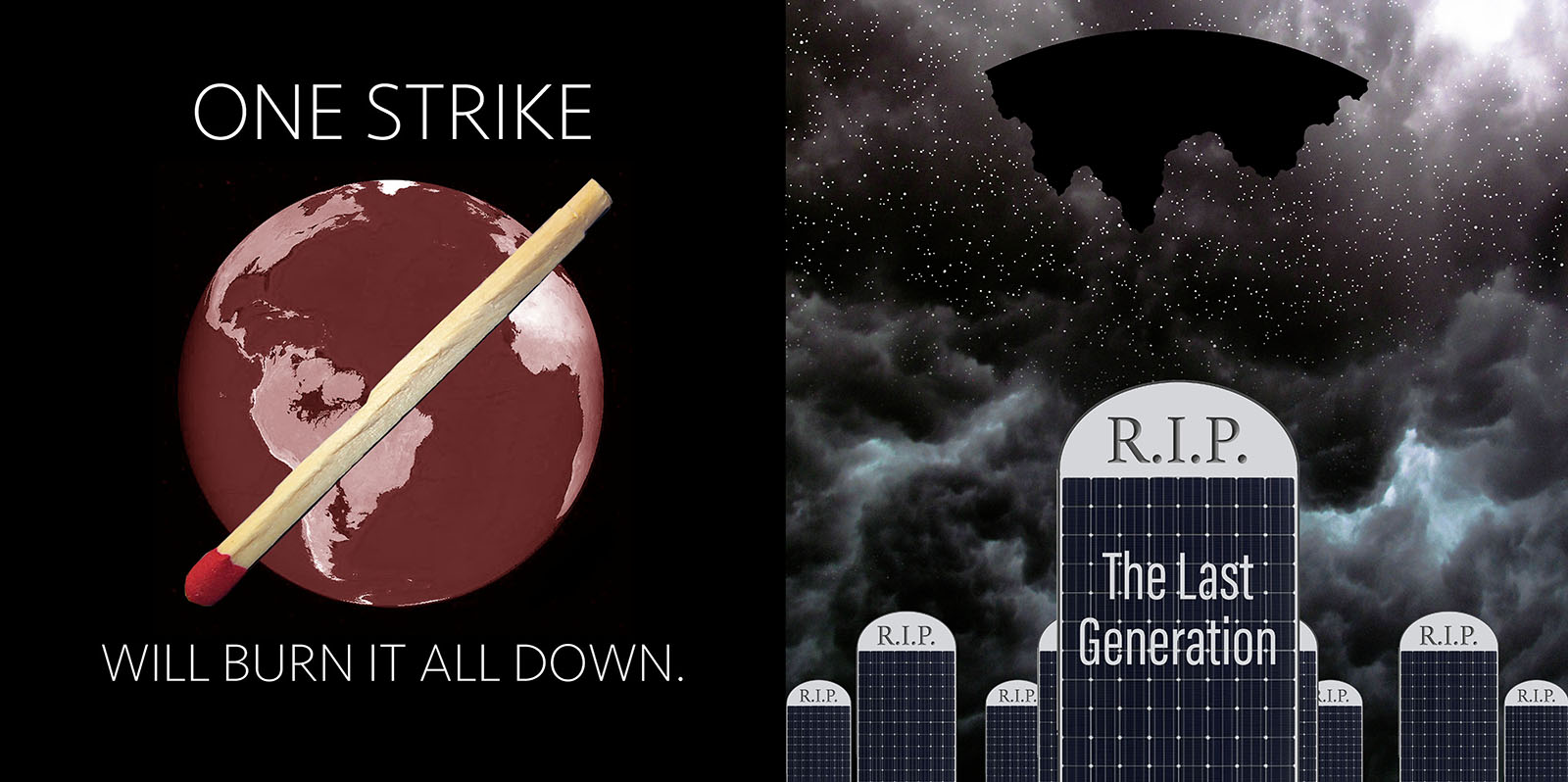
Then there’s the other side of the coin: religion. I’ve always had strong anti-religious convictions (starting all the way back in elementary school), but never felt compelled to plug them into a sci-fi story. But now, in the future world I was building, I couldn’t avoid it. I imagined a point in history where the government was forced to revoke tax-free status for churches. That would increase revenue, but also give religion a seat at the government table, right next to corporate lobbyists. If you think it’s fractious now in the 2020s, just imagine the chaos that would bring.
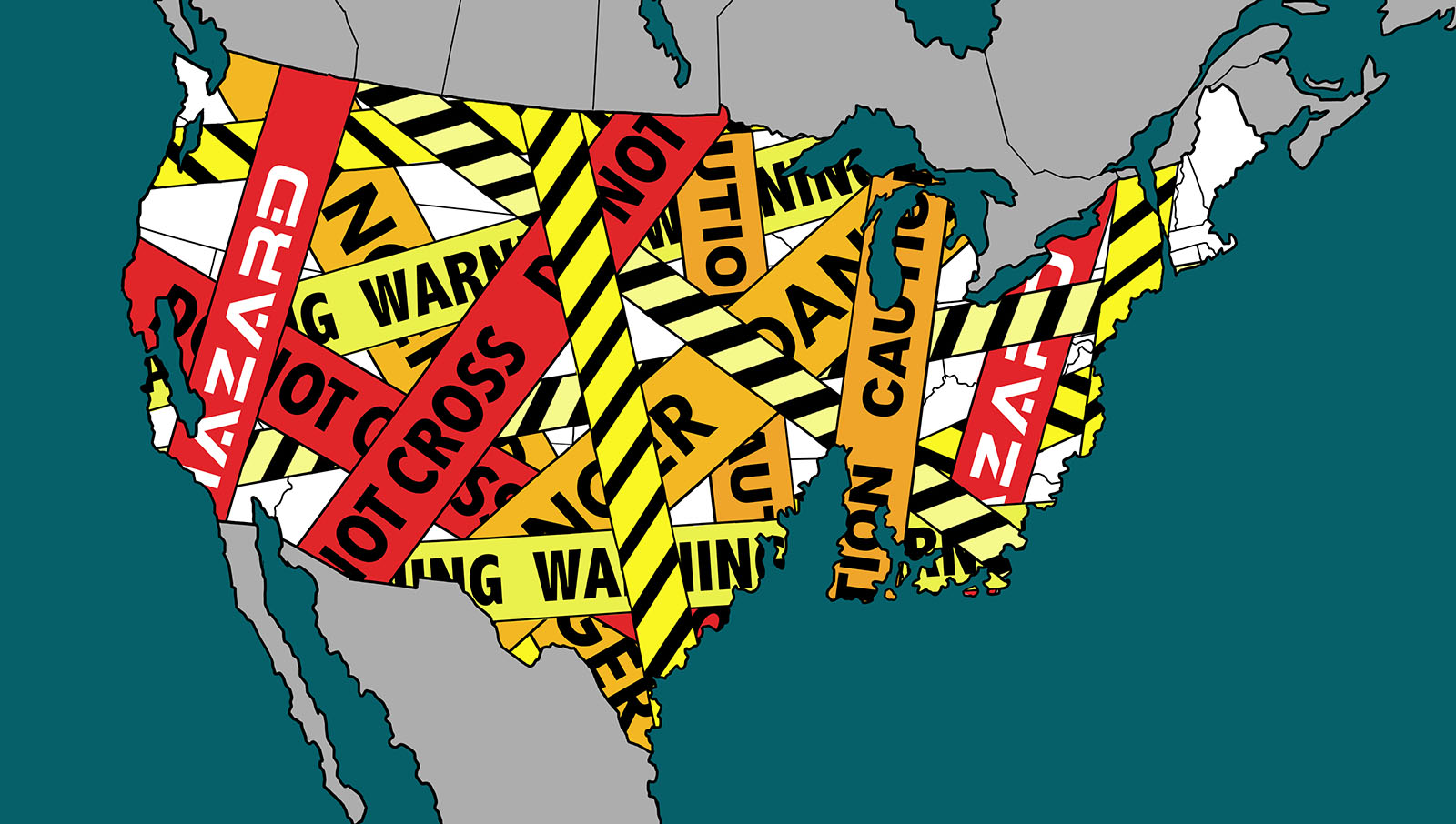
There would still be a USA, but state boundaries would become less important as ideological boundaries redrew the map. This is the background that shaped the characters we meet. These boundaries don’t extend all the way to the mining stations at Pitsberg, but they shaped the economic forces that carve up human beings and send them into exile. To a very real degree, we already sacrifice our bodies for economic survival. In this future, the sacrifice extends to body parts.
All of the above builds us up to the moment when the fatal match is struck and the world begins to burn.
None of this is pleasant to think about, but my goal was realism. That required me to grapple directly with how the politics of today might shape the world of tomorrow. But no matter how bleak it got, I was determined to course-correct all of it by the end.
DeWan Devec is the first character I’ve intentionally written as a Christian. Kazuhiro Hoshino is the first character I’ve intentionally written as an atheist. Between them, they represent the strongest opposing forces in this social climate, and they clash like oil and water. As an atheist myself, it was easy to put words in Shino’s mouth. It was harder to find convincing points for DeWan to make. But he couldn’t lose the argument, since the future depends on finding space to coexist.
Their ultimate confrontation comes in the form of a bet, brokered by Lessi, to be settled once they find their way inside Pitsberg. Imagining the resolution to that was a major breakthrough that did not come easily. It was the single most important plot point of the entire story, and neither side could win over the other. In the end, it doesn’t sway me from my atheism, but it does encourage me that we can all make our world bigger.
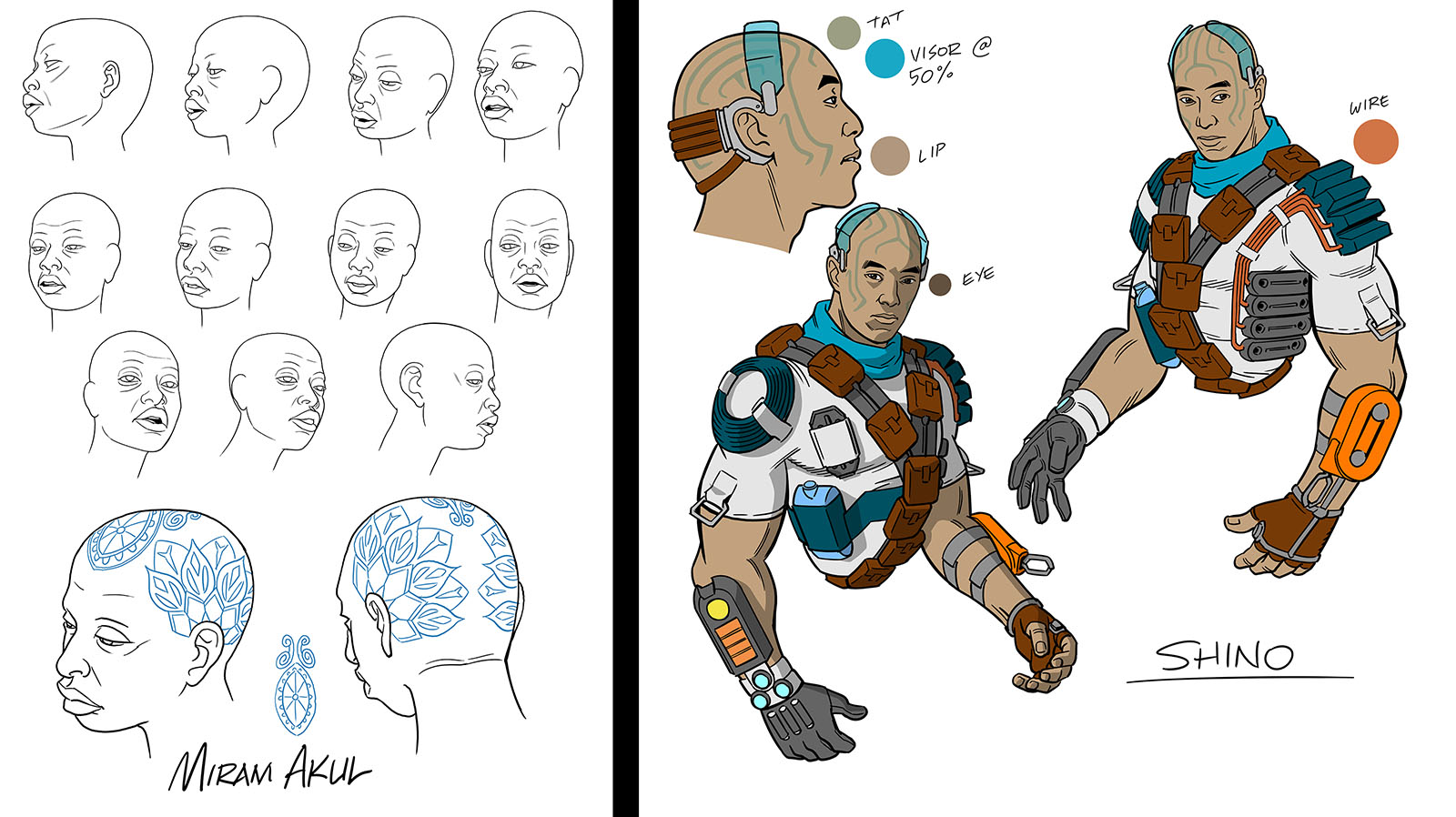
Experiment 9: Drawing likenesses
When I wrote about Deep Space Nine, I recounted what it was like to draw likenesses of real actors into a comic book. I observed that once you’re committed to that level of character art, you’re obligated to continue it in scenery and backgrounds. With Pitsberg, it went the other way. I wanted the backgrounds to be realistic, with all the nuts and bolts of a space station environment. Therefore, I felt obligated to continue it into the character art.
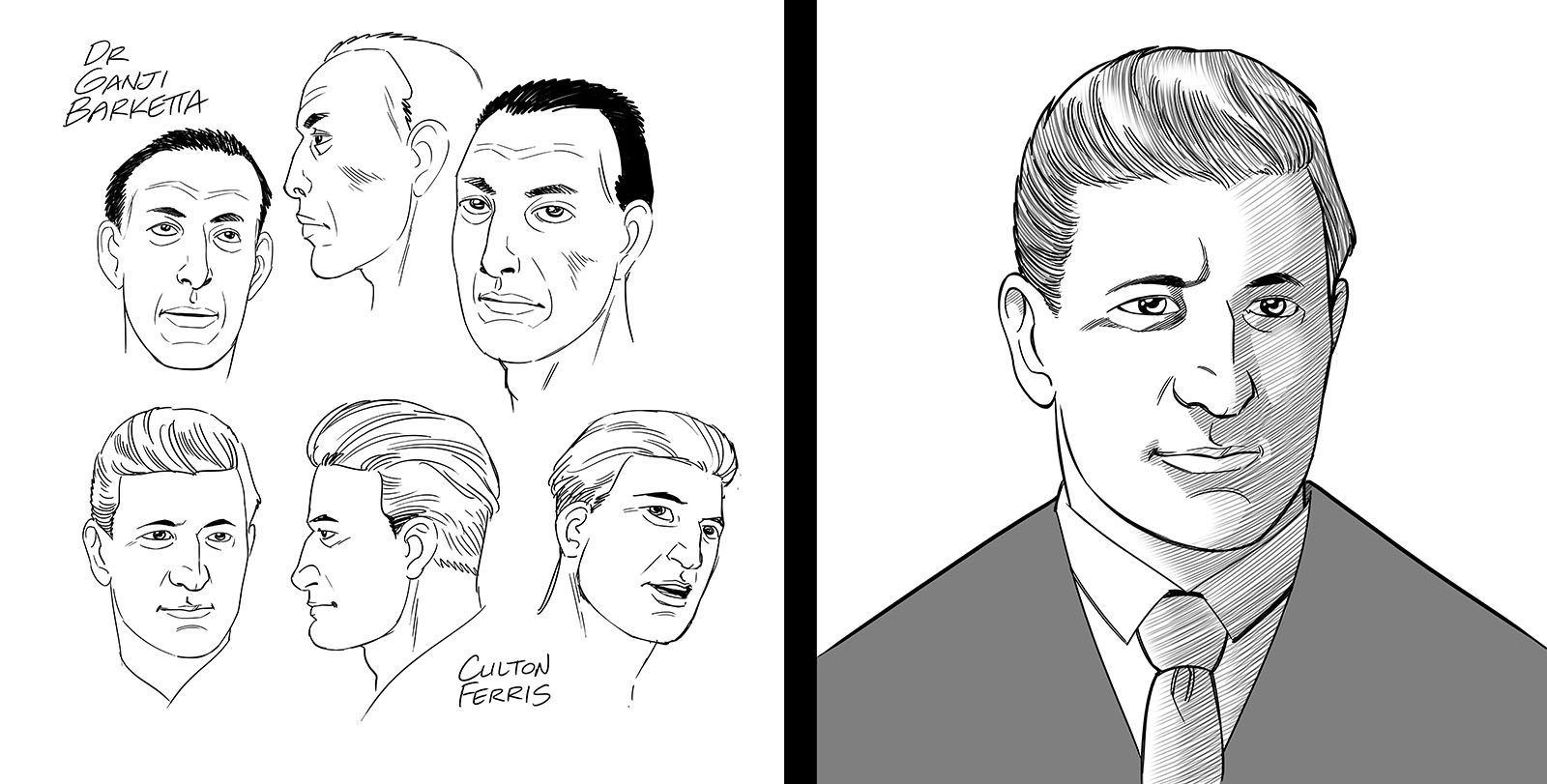
Honestly, it’s something I’d been wanting to try for a long time. Back in my 1980s fanzine days, I published a Star Wars ‘zine called Lightspeed. At the time, I invited contributors to write Star Wars fanfic in script form so it could be drawn as comics (nobody took me up on that, though). A friend of mine suggested that I ask these writers to pick real-world actors as character models. If, for example, they thought a character might look like Christopher Reeve, we could “cast” him (i.e. draw him) in that role.
I never forgot that suggestion. It seemed like something I should try some day. And with Pitsberg, that day arrived. While I was designing characters, I went looking for actors who I’d cast in key roles. I didn’t find an actor for everyone, but I most definitely found Lessi Lander and Kazuhiro Hoshino. I won’t reveal who they are here (sorry), but once I decided on them I started collecting photos and video footage for multiple angles and facial expressions. It turned into a hobby, and paid off nicely.
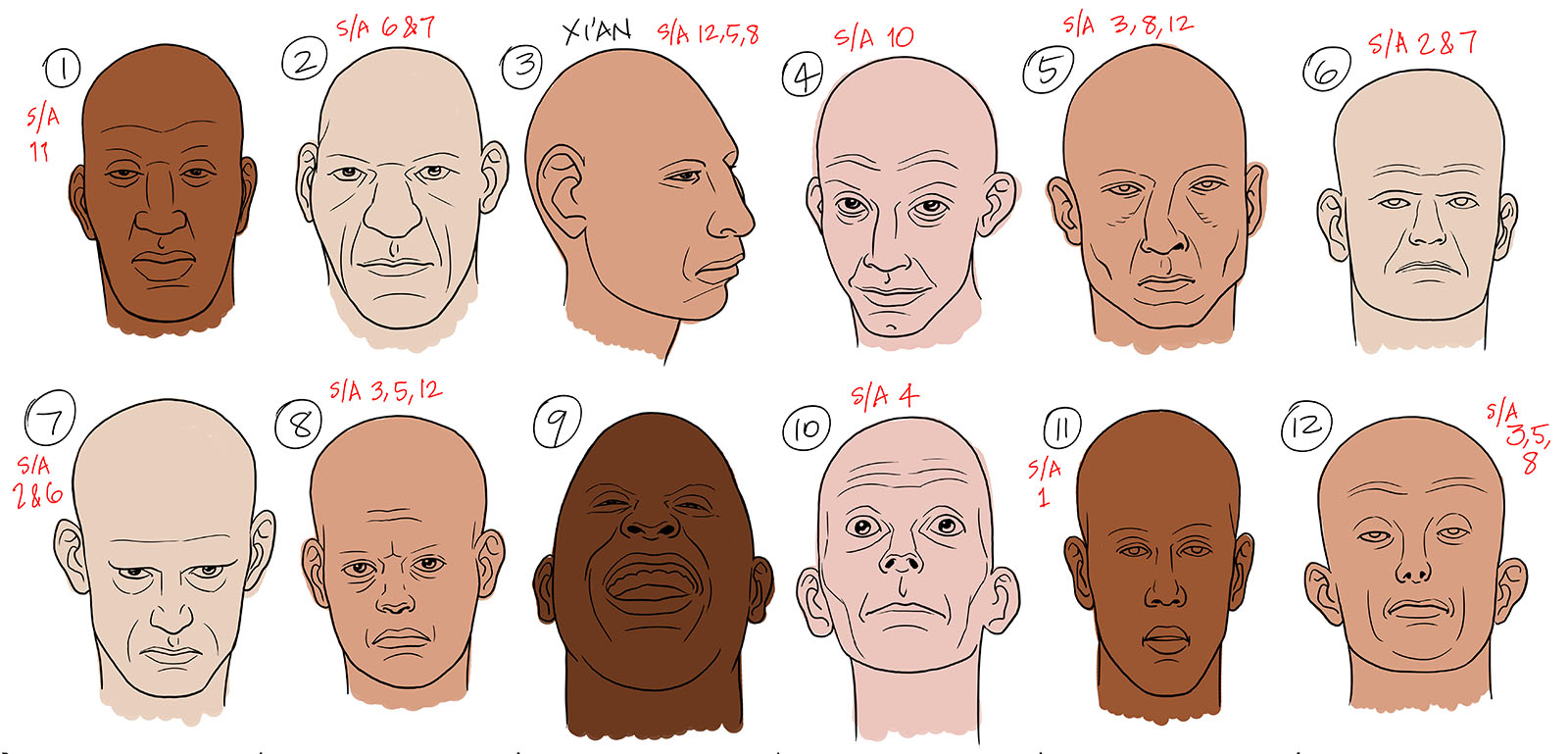
For other characters, single photos were enough to provide a basis for character design. In the case of the tattooed goons in Chapter 3 (all named with some variant of “Sean” since I weirdly kept running into that name at the time), I dug for old-timey criminal mugshots and sideshow geeks to draw. Even Christopher Reeve made a posthumous appearance. Now that you know that, I bet you’ll spot him.
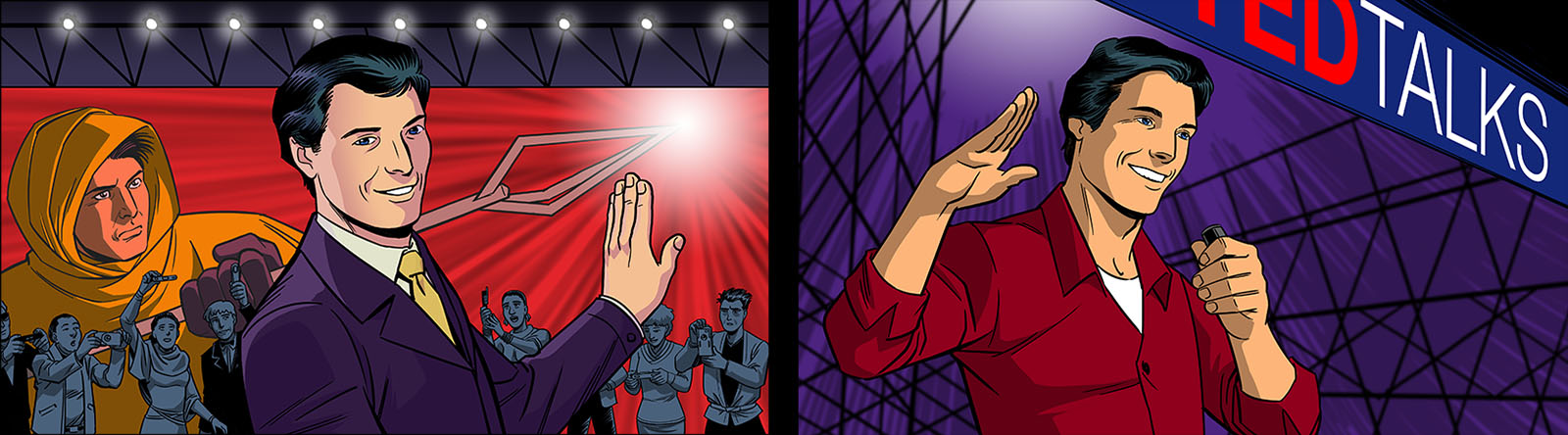
A few other designs came purely out of my own imagination, but I found that drawing real faces was making me better at designing imaginary ones. When I say “draw,” I also mean “trace,” since I could import screenshots into a panel and trace right over them. Was this cheating? Not at all. It’s been going on in comic books for a very long time. Maintaining consistency and improving my technique was critical to me, and this was a great way to do it.
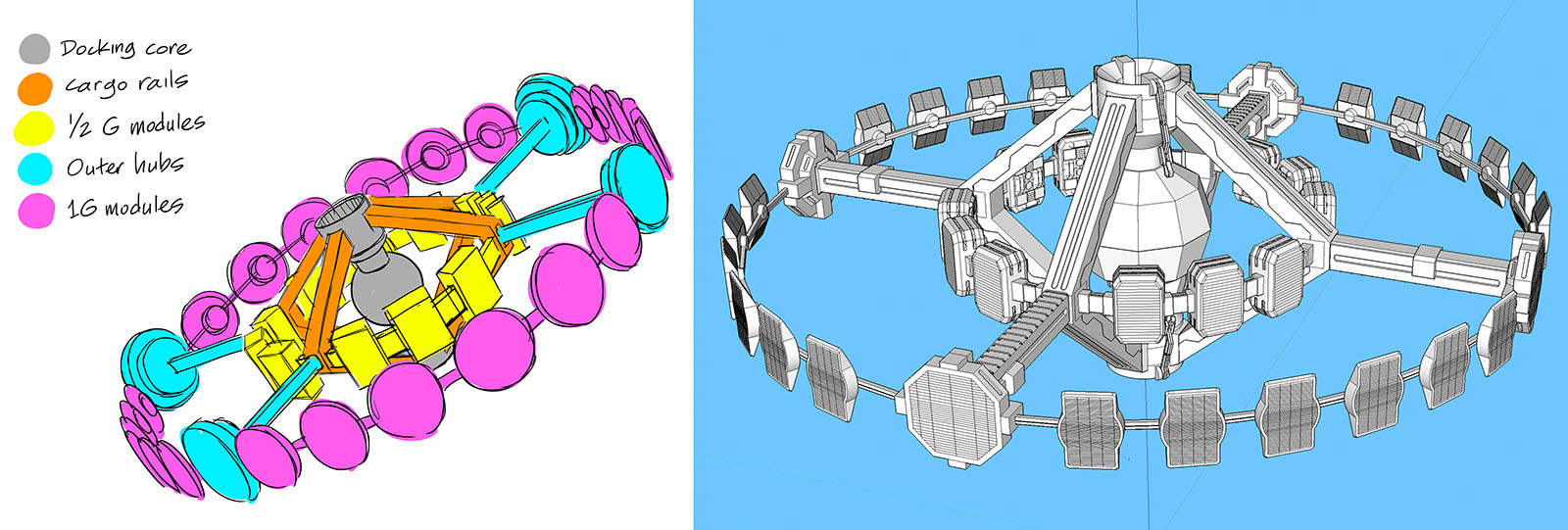
UN Space station
Experiment 10: CG models
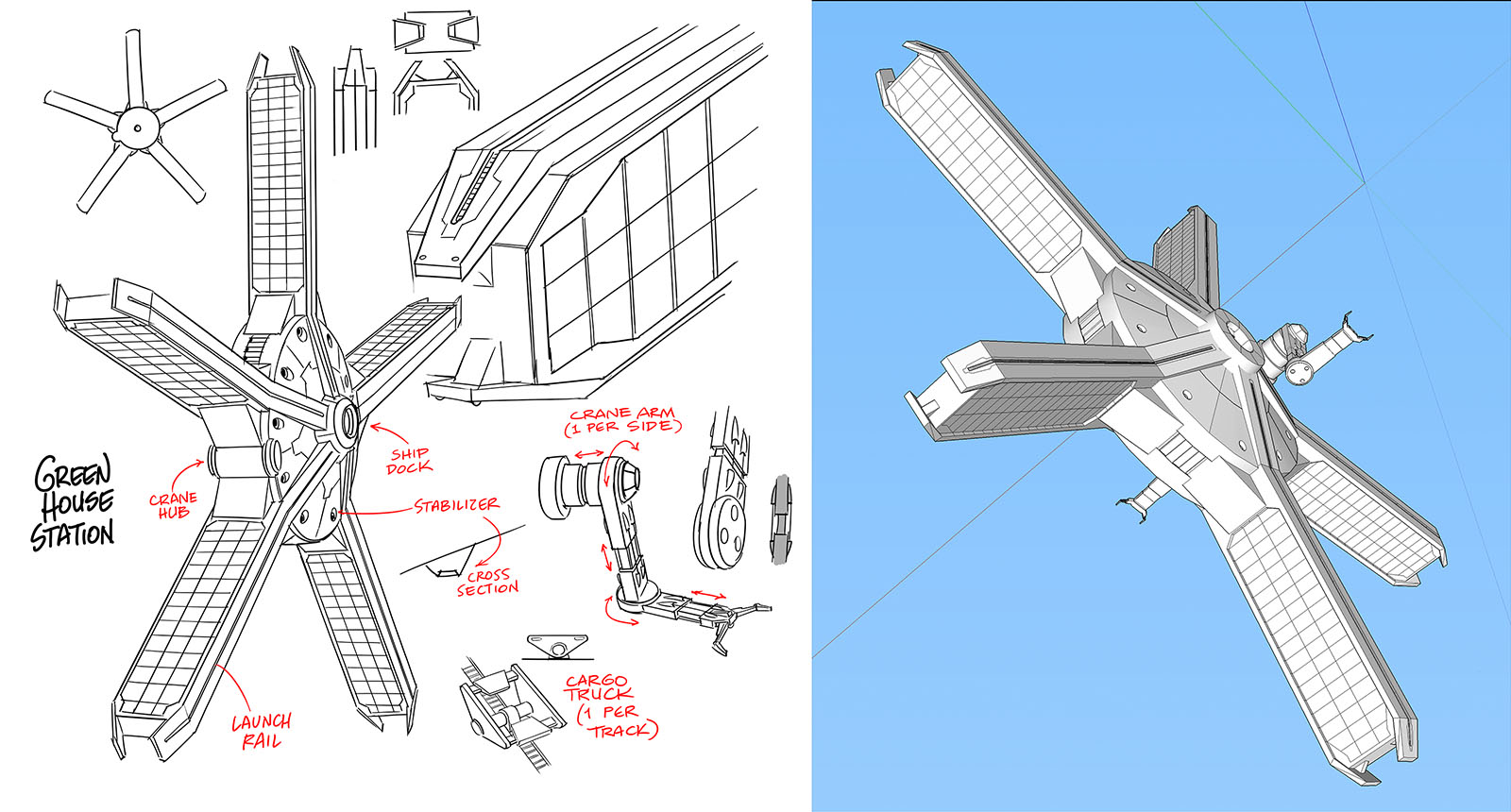
Along similar lines, I knew from the start that I would only make it harder on myself if I attempted to draw all the space hardware freehand. No matter how much graphing and measuring and correcting I did, it would never be precise enough to satisfy me. Besides, I was drawing all of this on a screen, and it’s already hard enough to get precision linework when there’s a layer of plastic between your stylus and your pixels.
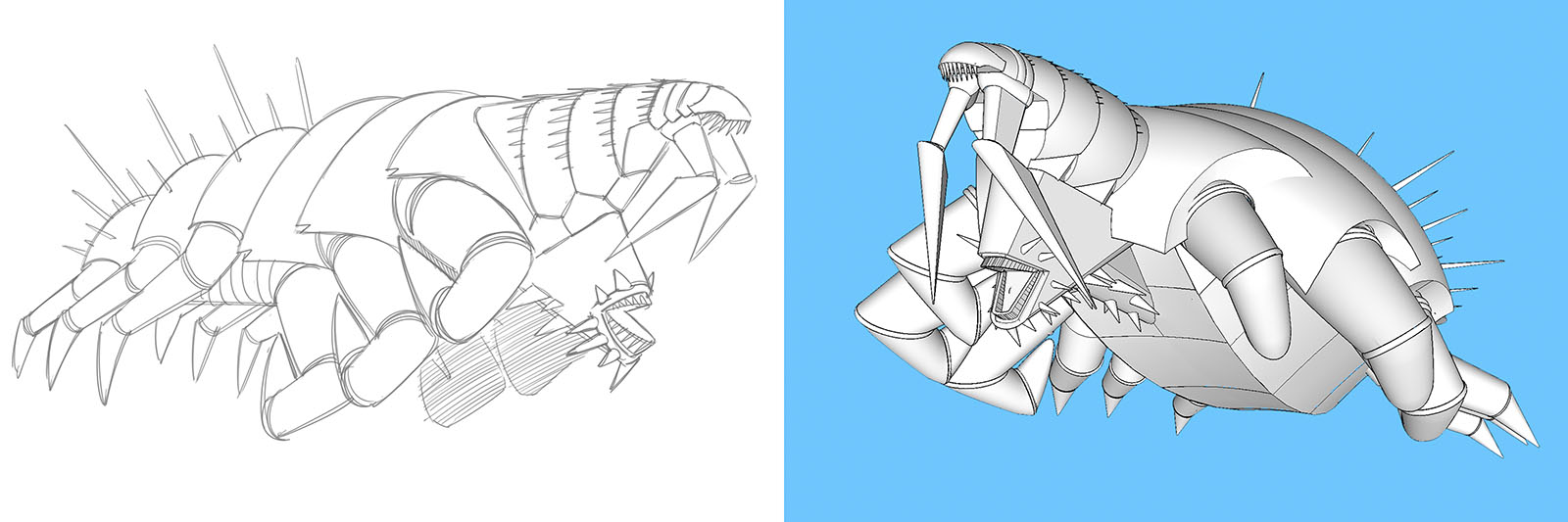
When I started working for Marvel Animation Studio, I was introduced to a marvelous new invention called an FBX file. Vehicles, props, and backgrounds were all rendered in CG, and an FBX was a low-rez 3D model that we could rotate and zoom in on as needed (they go by other names like OBJ, but FBX was the first one I learned).
Open the file, Find your angle, get a screenshot, drop it into a storyboard, and you’ve just saved yourself a TON of drawing time. You’ve also made things easier for the animators down the line, which is an excellent form of quality control. FBX was the magic trick we’d all been waiting for.
UN Greenhouse station
When I made the decision to draw Pitsberg digitally, I knew FBX files had to be part of it, or I wouldn’t be happy with the end result. One of our team members at Marvel (named Jeff Starling) was becoming a skilled 3D modeler, and got very good at turning our 2D designs into FBX files. I asked if he would be willing to do the same on Pitsberg. He saw it as a way to develop his skills, so he jumped on board.
Over the next year or so, Jeff generously built my designs one by one. I didn’t need a huge amount, since I’d planned different ways to reuse them throughout the story. Once they were finished, it gave me a massive push forward. Without them, I’d probably still be drawing Pitsberg today.
I’d seen this technique used in various comic books, so I wasn’t alone in seeking out ways to improve efficiency, but I also wasn’t looking for a way to avoid drawing. Dropping in a straight 3D render and calling it done was never my plan. Everything in a finished panel – actors and hardware alike – would be drawn by me, whether it was invented or traced. Otherwise, I couldn’t honestly call it my own art, could I?
Alien worldship: a flea crossed with a tartigrade
Next time: this 3-part series wraps up with the music, color theory, the website, collaborations, and lucky accidents. Don’t miss it!